
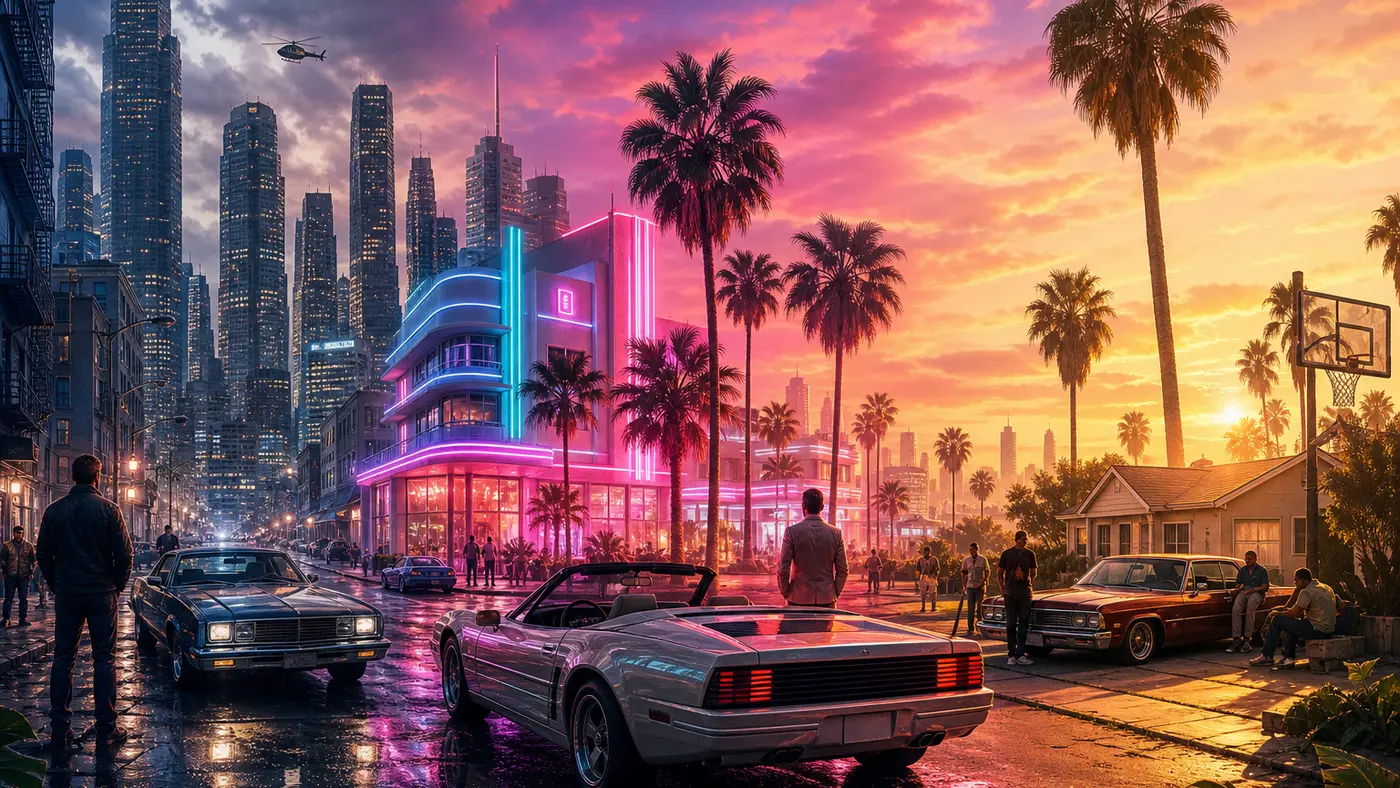
Few Rockstar releases have split opinion like GTA Trilogy The Definitive Edition. A golden promise on paper, the chance to rediscover GTA III, Vice City and San Andreas with a fresh coat of paint, and a catastrophic execution at launch in November 2021. Five years and a surprise patch later, the question deserves another look: in 2026, should you take the plunge? Here’s where things stand, from the fiasco to the comeback.
What the Definitive Edition actually includes
The pack brings together the three pillars of the series’ ‘3D’ era: Grand Theft Auto III (2001) in Liberty City, Vice City (2002) in its 1986 Miami stand-in, and San Andreas (2004) across the entire eponymous state in 1992. Remaster duties went to Grove Street Games (formerly War Drum Studios, already behind the mobile ports), which moved the games off the original RenderWare engine and onto Unreal Engine 4. On the menu: reworked textures, modernized lighting and weather, extended draw distance, aiming and controls realigned with today’s standards. A hybrid approach, since the physics code was copied over from the original versions to preserve the feel. To place these three games in the series’ family tree, see our rundown of every GTA game in order.
The launch: a disaster that became a case study
On November 11, 2021, the release turned into a shipwreck. Players found warped character models, textures badly enlarged by artificial intelligence (to the point of leaving misspellings on the city’s signs), rain so heavy it blanked the screen, grotesque animations and a whole batch of physics glitches. On Nintendo Switch, the framerate made the game nearly unplayable; on PC, problems with the Rockstar Games Launcher kept it unavailable for three days. On Metacritic, the release pulled mixed to negative scores and was hit with review bombing that dragged the player score down to 0.4/10, among the lowest on the site.
On November 19, 2021, Rockstar published a blunt apology note: the updated versions “did not launch in a state that meets our own standards of quality.” In the same breath, the studio put the classic versions back on sale after pulling them just before launch, and gave them away free to owners of the pack on PC. A rare admission for Rockstar.
The 2024 patch: the unexpected redemption
Almost three years to the day after that launch, in November 2024, Rockstar rolled out the 1.112 patch, the biggest update since release. The headliner is a classic lighting mode that works to recapture the atmosphere of the PS2 originals, where the UE4 render had flattened everything. The volumetric fog is reworked, which gives the cities back a real sense of scale. Several broken animations (the way CJ drinks a soda or hops on a bike) are repaired, AI-upscaled assets and their text errors corrected, and the infamous glitch that let you reach GTA III’s second and third islands too early is finally locked down.
The update wasn’t without friction behind the scenes: it removed Grove Street Games from the title screen, which the studio’s CEO, Thomas Williamson, publicly called a petty move, claiming the patch had been built by his teams but sat on the shelf at Rockstar for years. Publisher squabble aside, the result with a controller in hand is real: the community welcomed a clear gain in faithfulness.
Definitive Edition or the original games?
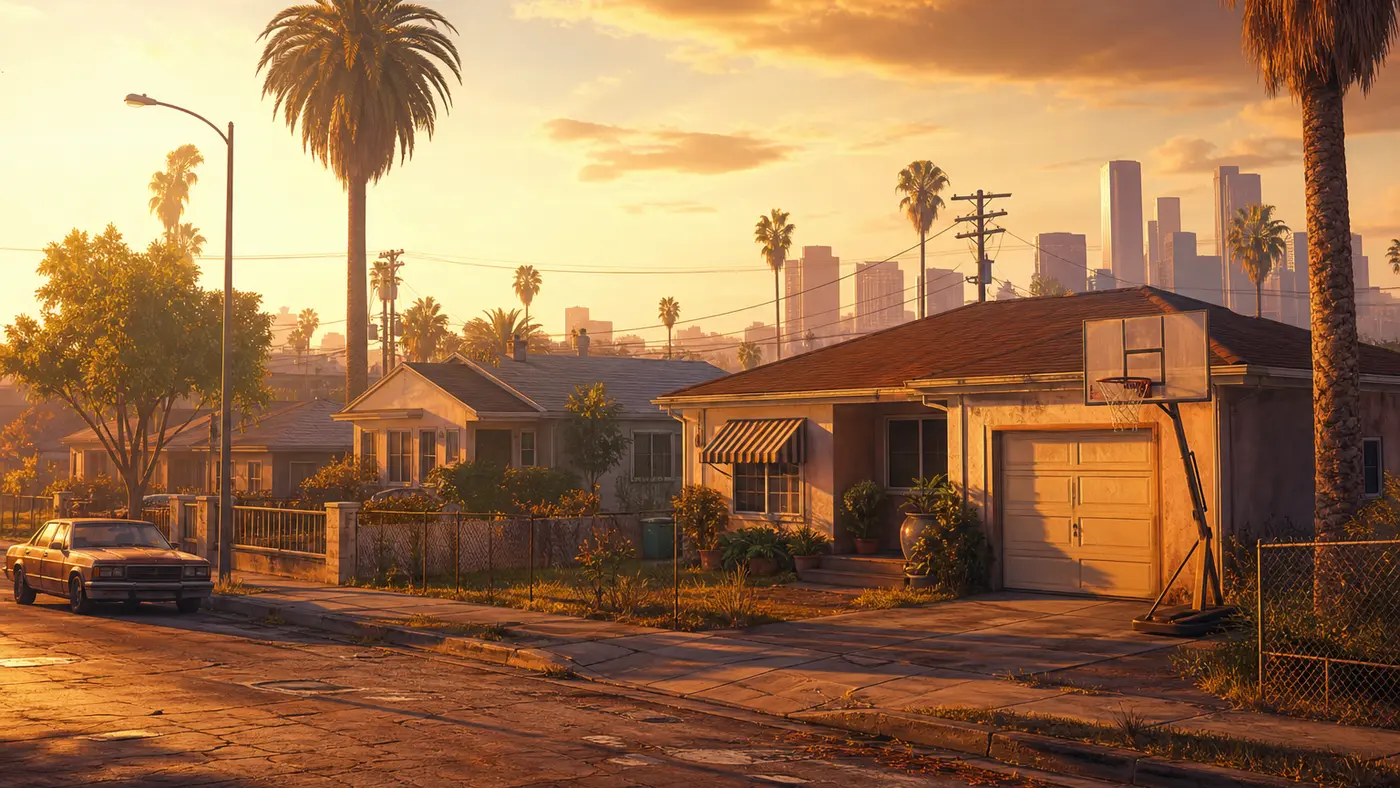
That’s the real call to make in 2026. On PC, the original versions remain the purists’ benchmark, especially loaded with mods, more faithful to the textures and physics of old. That’s the whole appeal of an open PC, as we explain in our guide to installing mods on GTA 5, and the same logic applies to the classics. But on console and on mobile, where modding doesn’t exist, the patched Definitive Edition is by far the simplest and most comfortable way to (re)play the trilogy: cloud saves, widescreen, modern aiming, and since December 14, 2023, a mobile version included with a Netflix subscription. To gauge how far just one of these titles has come, compare with our feature on San Andreas versus GTA 5.
So, do you buy it in 2026?
Yes, as long as you know what you’re buying. This is not a next-gen remaster that reinvents Liberty City, Vice City and San Andreas; it’s a modernized port, botched for a long time, now finally clean thanks to the classic mode and the fixes. At full price, it’s a tougher call; on sale, it’s an excellent gateway to the foundations of the series, especially for anyone who has never touched these games. And as GTA 6 gets ready to write the next chapter from Florida, diving back into the trilogy that started it all has never been easier.
Comments
Be the first to react.