

GTA 6 doesn’t reinvent Rockstar’s technology: it inherits the RAGE engine and Euphoria physics directly from Red Dead Redemption 2, released in 2018. Here, point by point, is what GTA 6 borrows from RDR2 and what it pushes further, from ray tracing to world density.
RDR2, the technical lab behind GTA 6
Before Grand Theft Auto VI, Rockstar’s most advanced game was Red Dead Redemption 2. Released in October 2018, it laid the groundwork that GTA 6 reuses today: the in-house RAGE engine (Rockstar Advanced Game Engine) backed by Euphoria, NaturalMotion’s procedural animation system. RDR2 also proved the formula carried serious weight: over 85 million copies sold according to Take-Two (FY2026 results, May 2026), making it the 3rd best-selling game of all time, and the second biggest entertainment launch in history at release, with roughly $725 million in its opening weekend alone.
GTA 6 doesn’t wipe the slate clean. It starts from that foundation, already battle-tested on tens of millions of machines, and brings it to the PS5 and Xbox Series X|S generation. The series has actually carried Euphoria since GTA IV back in 2008: it’s not new, it’s a signature Rockstar refines with each installment.
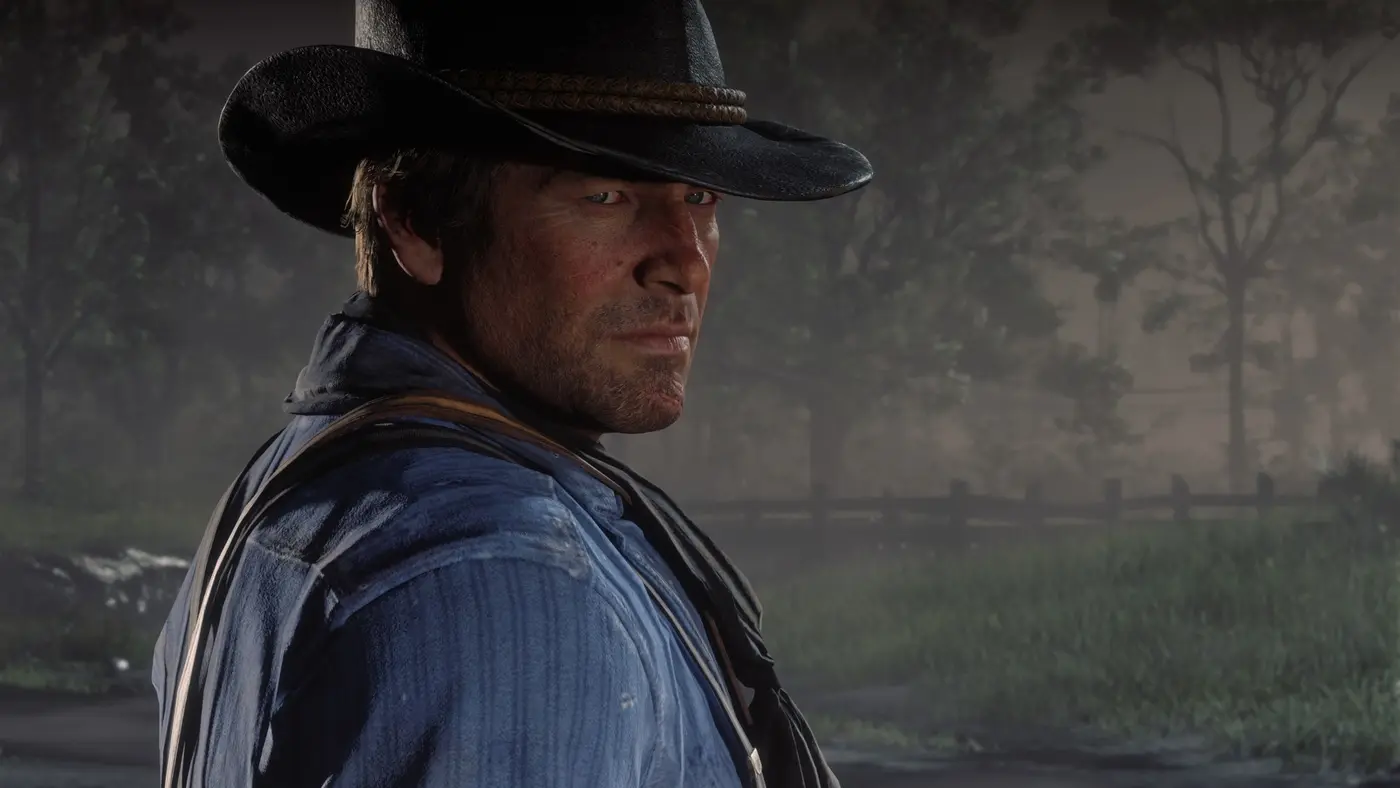
Euphoria: the physics that makes every body believable
Euphoria is what separates a Rockstar character from a puppet running canned animations. Instead of replaying fixed animations, the engine synthesizes reactions in real time: a wounded enemy clutches the injury, stumbles, reaches for a wall to steady himself, and the result is never the same twice. RDR2 pushed this system to a peak, right down to horses that reacted differently depending on where they were hit.
GTA 6’s trailer 2 hints at the logical next step: collisions, falls and impacts that keep that Euphoria spontaneity, now paired with far finer rendering. It’s the backbone of Rockstar’s realism, and GTA 6 keeps it intact.
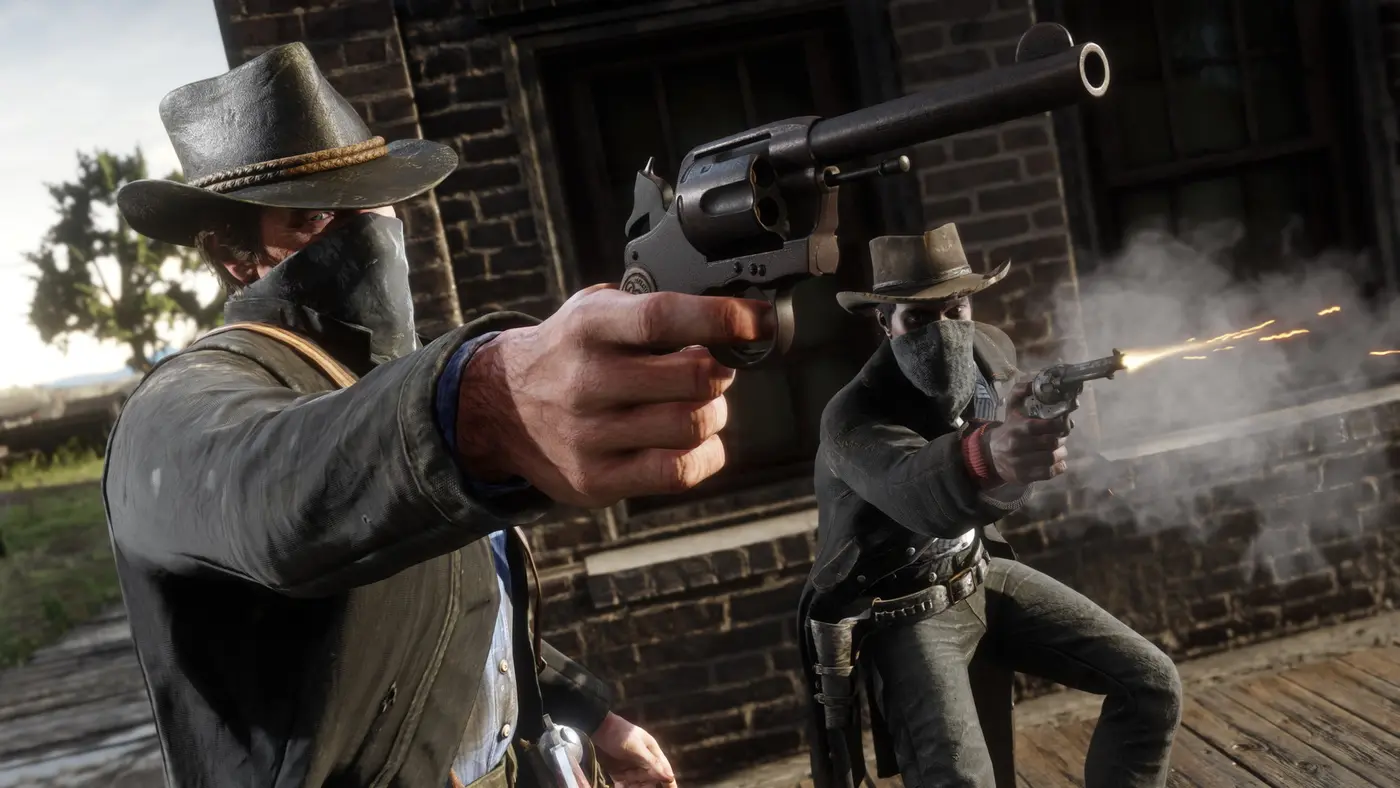
Ray tracing, the real break from RDR2
This is where GTA 6 clearly pulls ahead. In its frame-by-frame breakdown of trailer 2, Digital Foundry judges GTA 6’s global illumination to be fully ray-traced (RTGI), to the point of being inseparable from the rendering: no precomputed light sources like the ones in RDR2, but light that bounces dynamically off neon signs, car bodies and skin. RDR2, by contrast, leaned heavily on baked lighting and filtered shadows, an approach GTA 6 keeps for shadows but surpasses for light.
This luxury comes at a cost. Per the same analysis, RTGI makes a locked 30 fps likely on PS5 and Xbox Series X, with no 60 fps mode in sight. A trade-off Rockstar embraces for fidelity, one we dig into in our GTA 6 on PC feature.
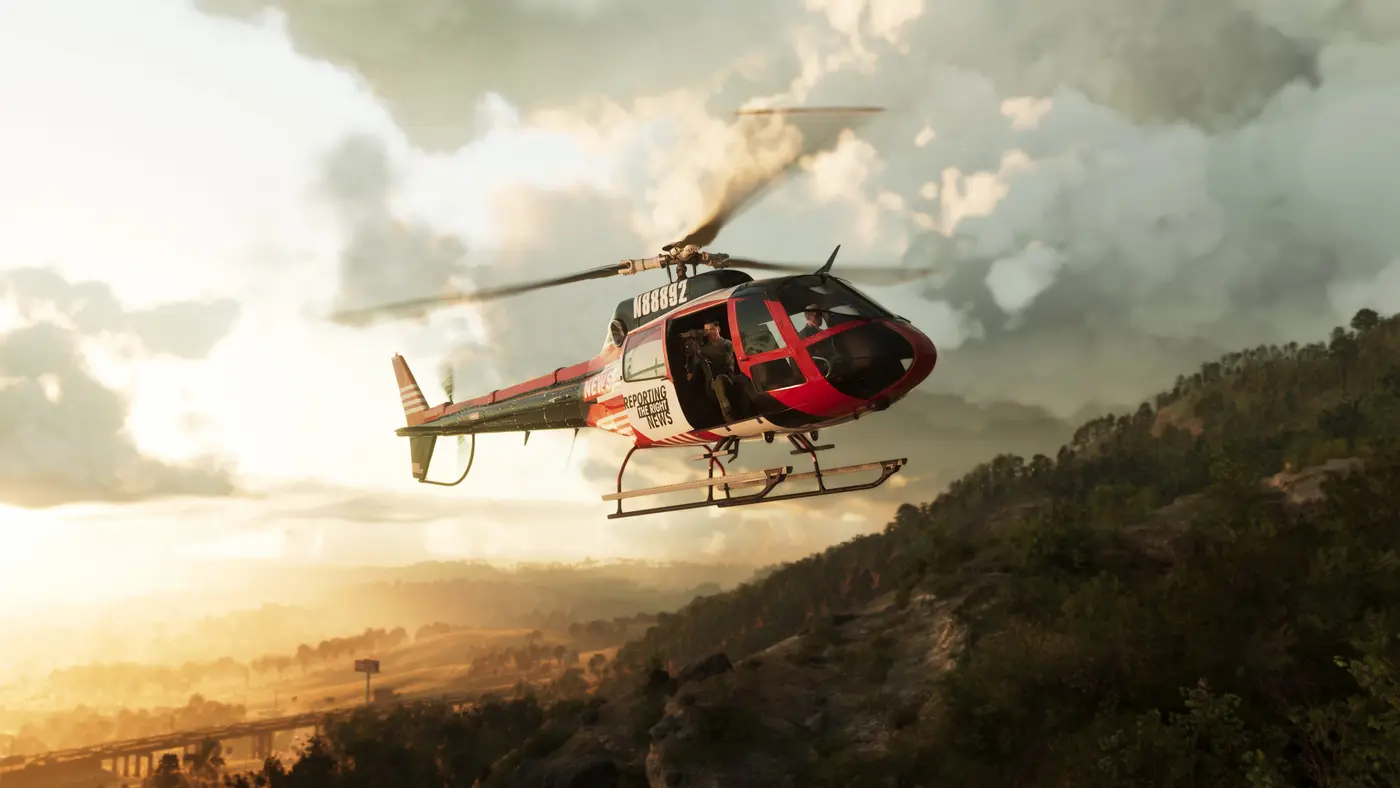
Density, materials, detail: Rockstar’s obsession cranked up
RDR2 set a standard for world detail that critics called unmatched in 2018. GTA 6 takes that obsession and applies it to an urban setting far denser than the 1899 frontier. Digital Foundry points to strand-by-strand hair, visible sweat on the skin, and clothing simulated separately from the body. Add physically based materials (leather, mud, wet fabric) and you get characters of rare believability, as Vice City’s official imagery already shows.
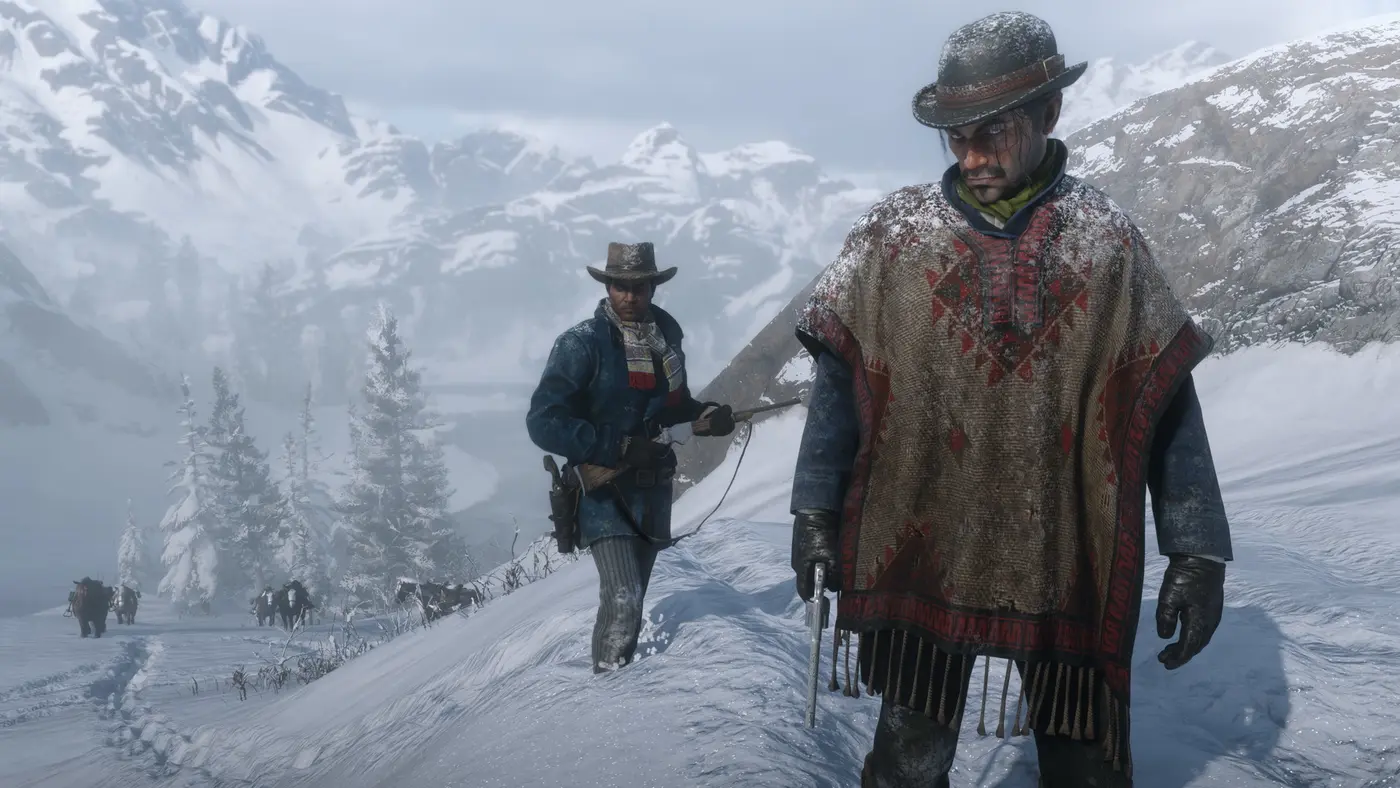
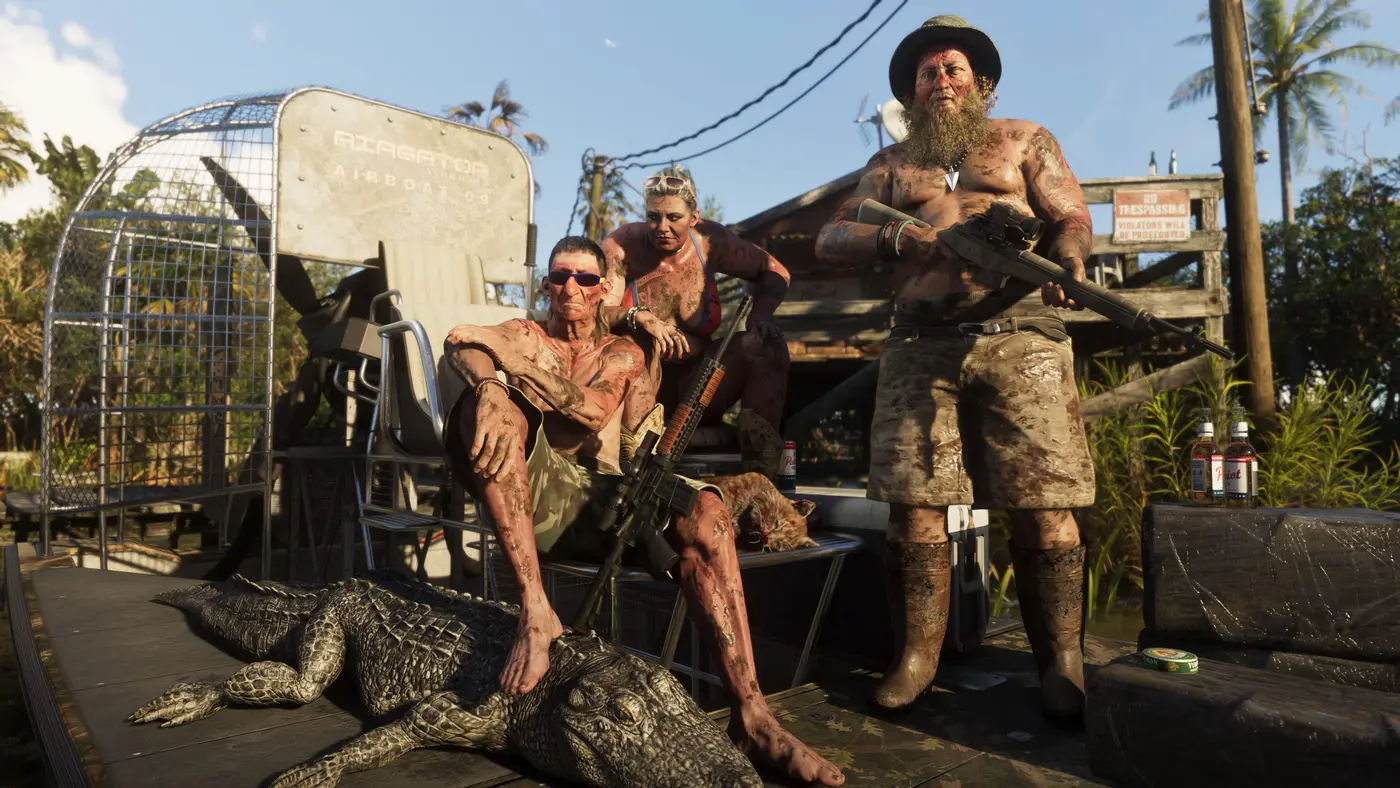
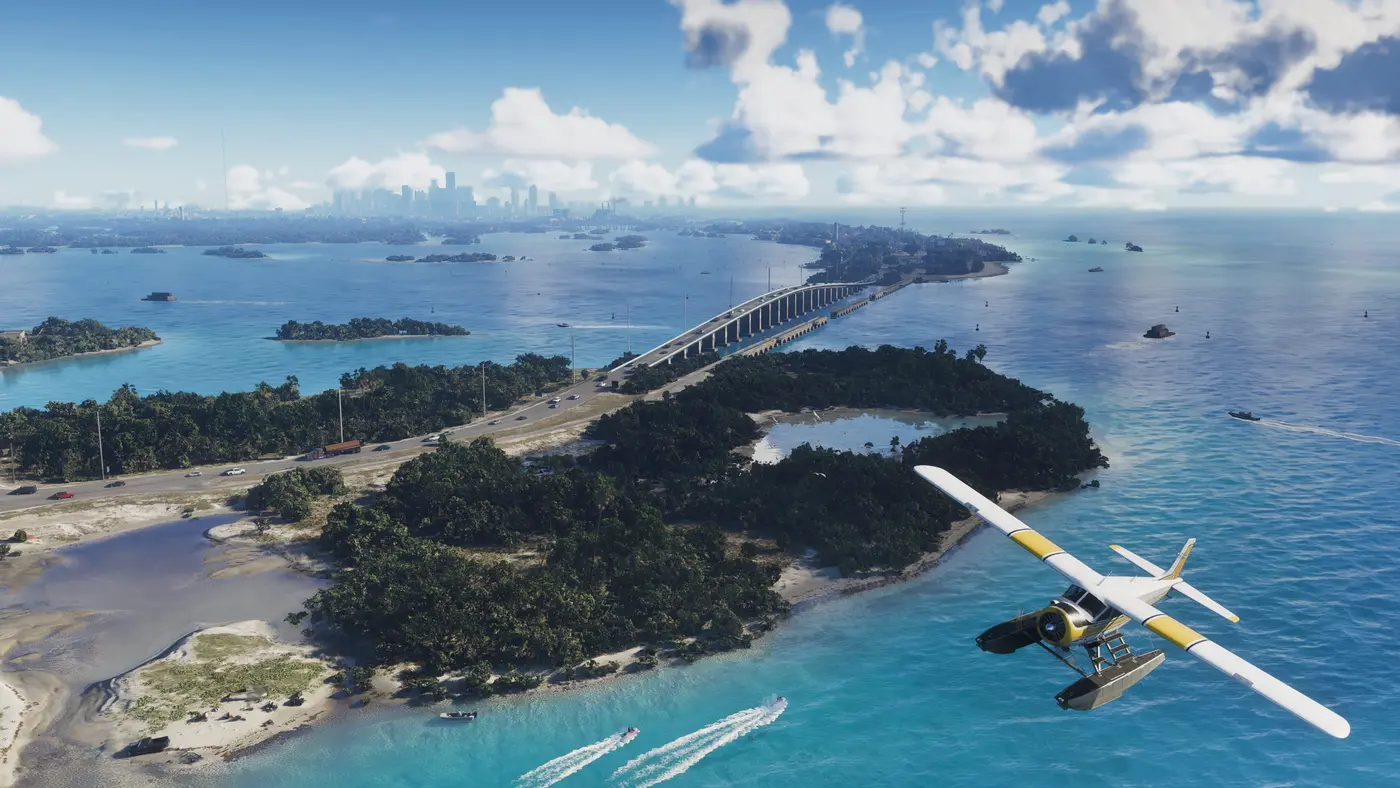
At world scale, RDR2’s other legacy is simulation coherence: dynamic weather, wildlife, crowds going about their business. GTA 6 extends that logic to a Florida-style coastal map, with reworked water and a draw distance that lets you make out the Vice City skyline from the keys. The full region breakdown is in our tour of Leonida’s areas.
What this promises for November 19, 2026
GTA 6 is less a revolution born from a blank page than the culmination of a technical lineage: the one running from GTA IV to RDR2 and now to this new installment. Rockstar keeps what worked (Euphoria, density, world coherence) and pours the extra horsepower into ray tracing and detail. To gauge how far things have come since 2013, see also our GTA 6 vs GTA 5 comparison and our take on the gameplay mechanics.

Comments
Be the first to react.