
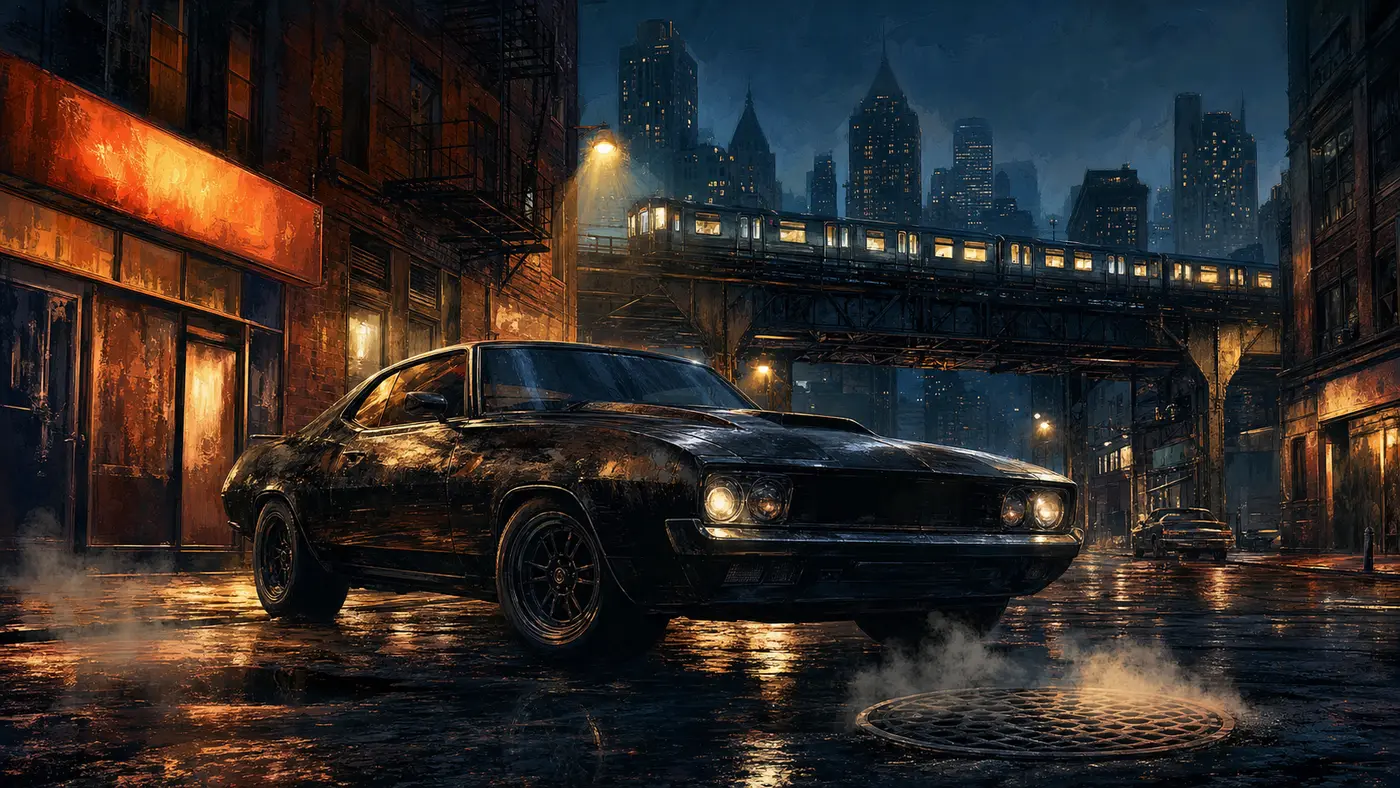
Before the heists of GTA 5, before the pastel Vice City of GTA 6, one game tipped the series, and video games as a whole, into a new dimension. In 2001, GTA 3 ditched the top-down view for 3D and handed players an entire city to roam at will. Twenty-five years later, it is still the founding text of the modern open world.
October 2001: The Day GTA Went 3D
The first two Grand Theft Auto games, released in 1997 and 1999, were top-down, two-dimensional titles with an arcade look. On October 22, 2001, on the PlayStation 2, GTA 3 shifted into a completely different gear: a third-person camera, a city modeled in three dimensions, traffic, pedestrians and weather. The Scottish studio DMA Design, soon to be renamed Rockstar North, leaned on Criterion’s RenderWare engine to bring this world to life.
The result was a tidal wave. GTA 3 became the best-selling game of 2001, moving more than 11.6 million copies on PS2 and over 14.5 million in total. Critically, its 97/100 on Metacritic placed it among the highest-rated games on the console, tied with the very best of the PlayStation 2 catalog. Rarely has a technological leap been so richly rewarded, by players and the press alike.
Liberty City, the First True Urban Sandbox
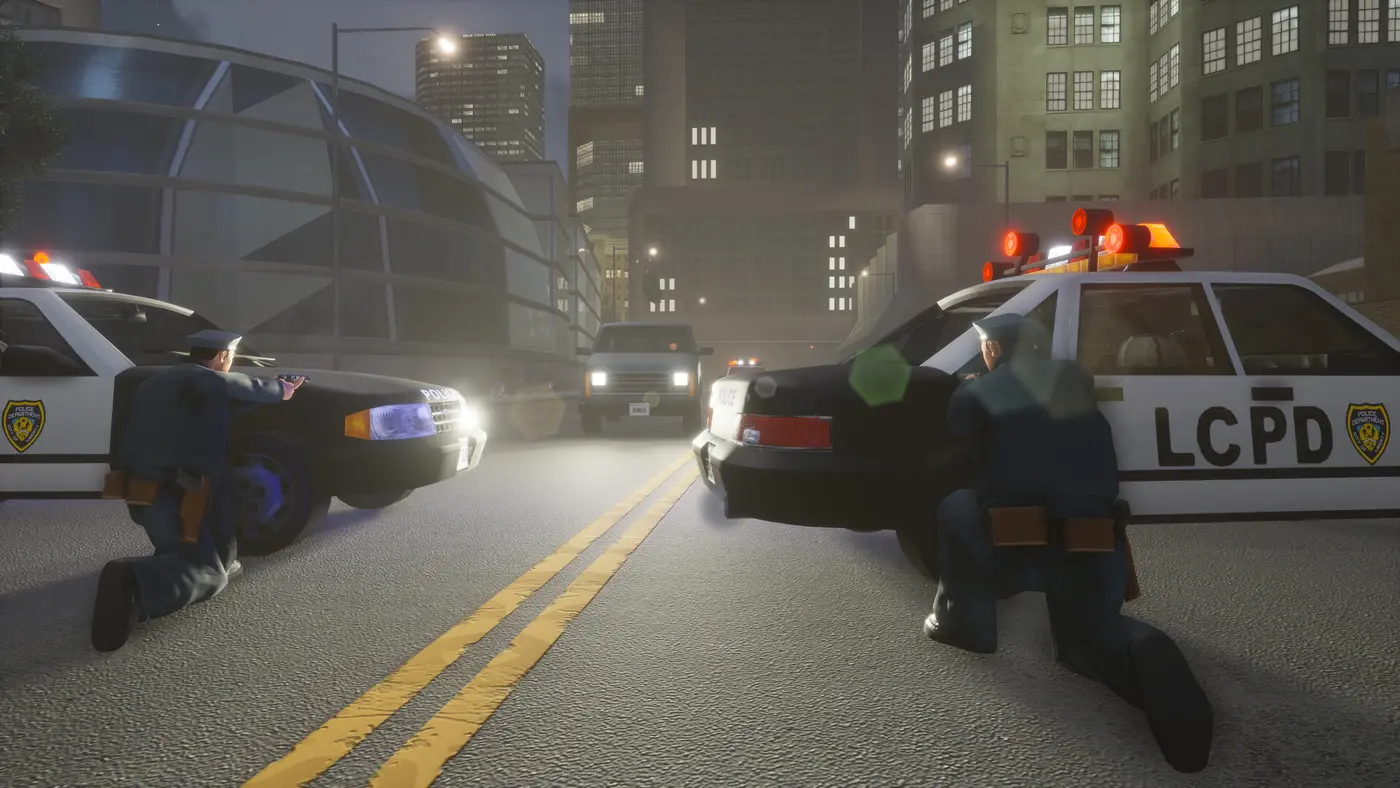
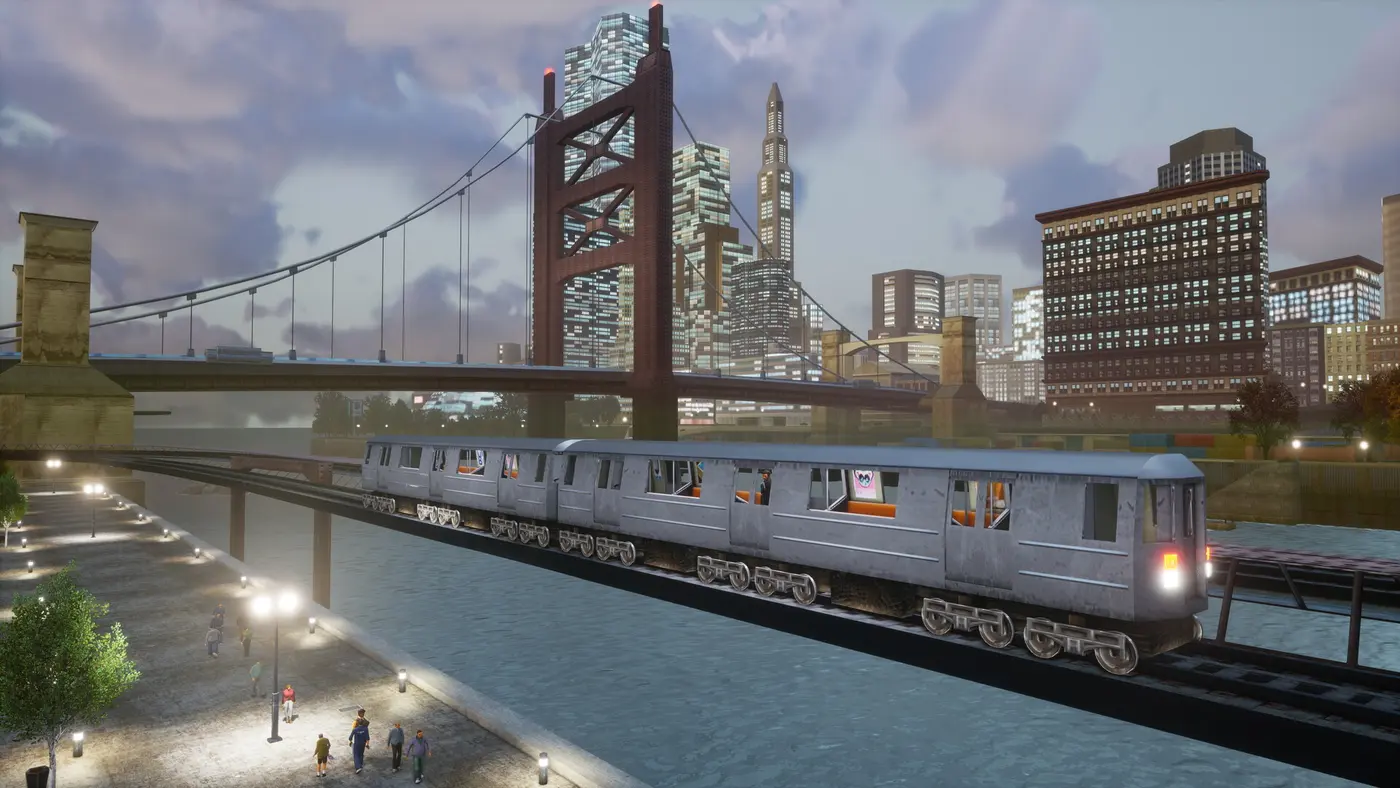
The big idea behind GTA 3 is its city. Liberty City, loosely modeled on New York, is split into three islands, industrial Portland, financial Staunton Island and residential Shoreside Vale, which unlock as you progress through the story. You can crisscross it by car, on foot or by boat, steal any vehicle, take on the police and their famous wanted-star system, or simply listen to the radio as you drive.
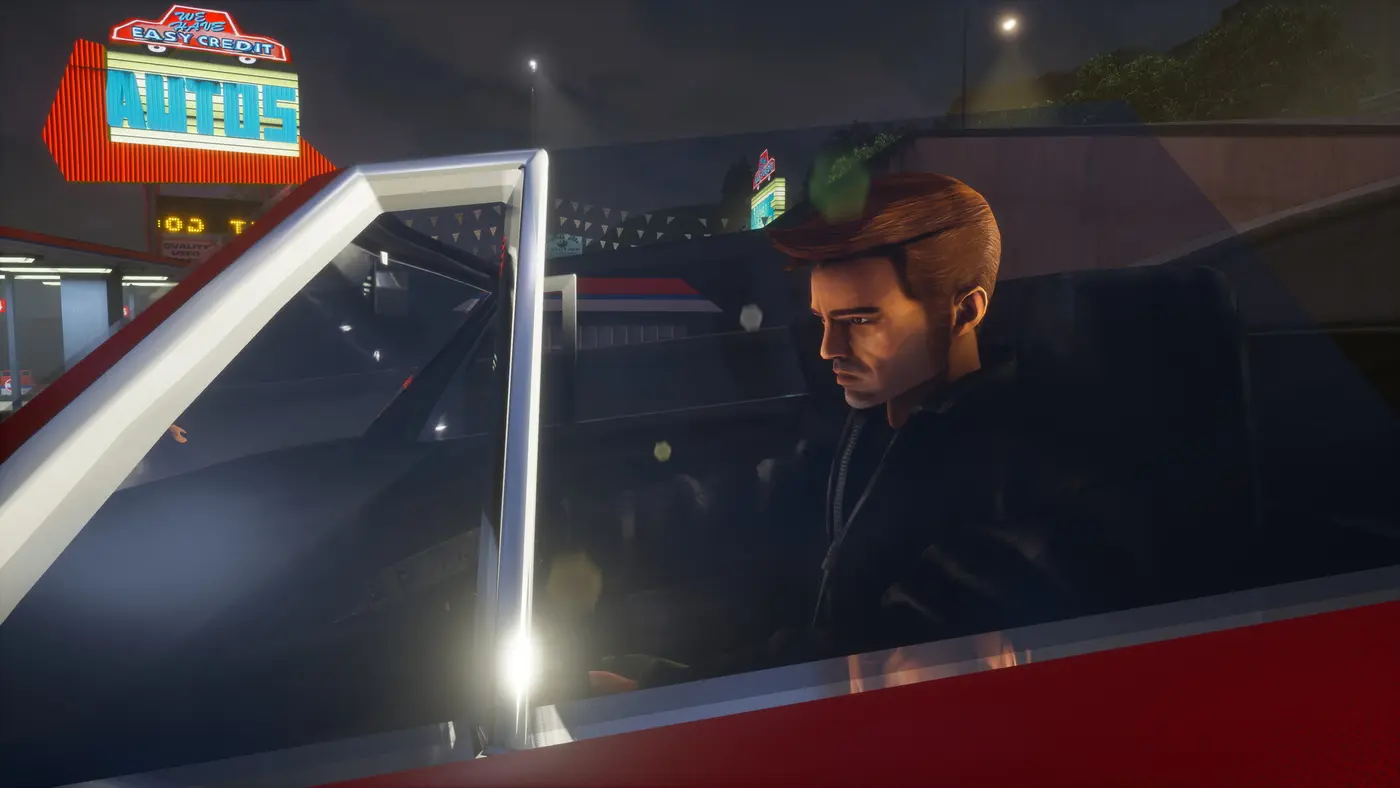
Because the nine licensed radio stations, from the rock of Head Radio to the reggae of K-JAH by way of the unhinged talk radio of Chatterbox, are already part of the game’s DNA. Behind the wheel, players take on the role of Claude, a completely silent protagonist, betrayed during a heist by his girlfriend and sent on a vendetta through the city’s underworld. That silence is no oversight: Rockstar wanted a hero anyone could project themselves onto. Claude would even return, still without a word, for a cameo in GTA San Andreas.
This structure, a coherent city you explore however you like between missions, feels obvious today. In 2001, nothing existed on that scale. This is where the very notion of the open world, as we understand it now, was born. To measure how far things came on the road to HD, compare it with our retrospective on GTA 4 and its 2008 Liberty City, a completely different take on the same city.
How 9/11 Reshaped GTA 3
GTA 3 was due out in early October 2001. The September 11 attacks, in New York itself, the very city Liberty City is based on, upended that schedule. On September 19, Rockstar pushed the release back by three weeks and made a few adjustments. Contrary to legend, these changes were minimal: according to the studio, around 1% of the content was affected.
In detail, the police car livery, originally blue and white like the NYPD’s, switched to black and white; the flight path of a plane was changed so it no longer looked like it was barreling toward a skyscraper; and a mission referencing terrorists, along with a few lines of pedestrian and radio dialogue, were removed. The most persistent rumors, like the removal of twin towers or school buses, are flat-out false: those elements never existed in the game in the first place. Rockstar revisited this episode in detail in one of its official posts.
The Game That Spawned an Entire Genre
The shockwave reached far beyond Rockstar. In the year following its release, GTA 3 sold 6 million copies and brought in more than $250 million, numbers that gave the whole industry ideas. Before long, people were talking about GTA-likes, then sandbox games, to describe this formula of driving, shooting and total freedom in a living city.
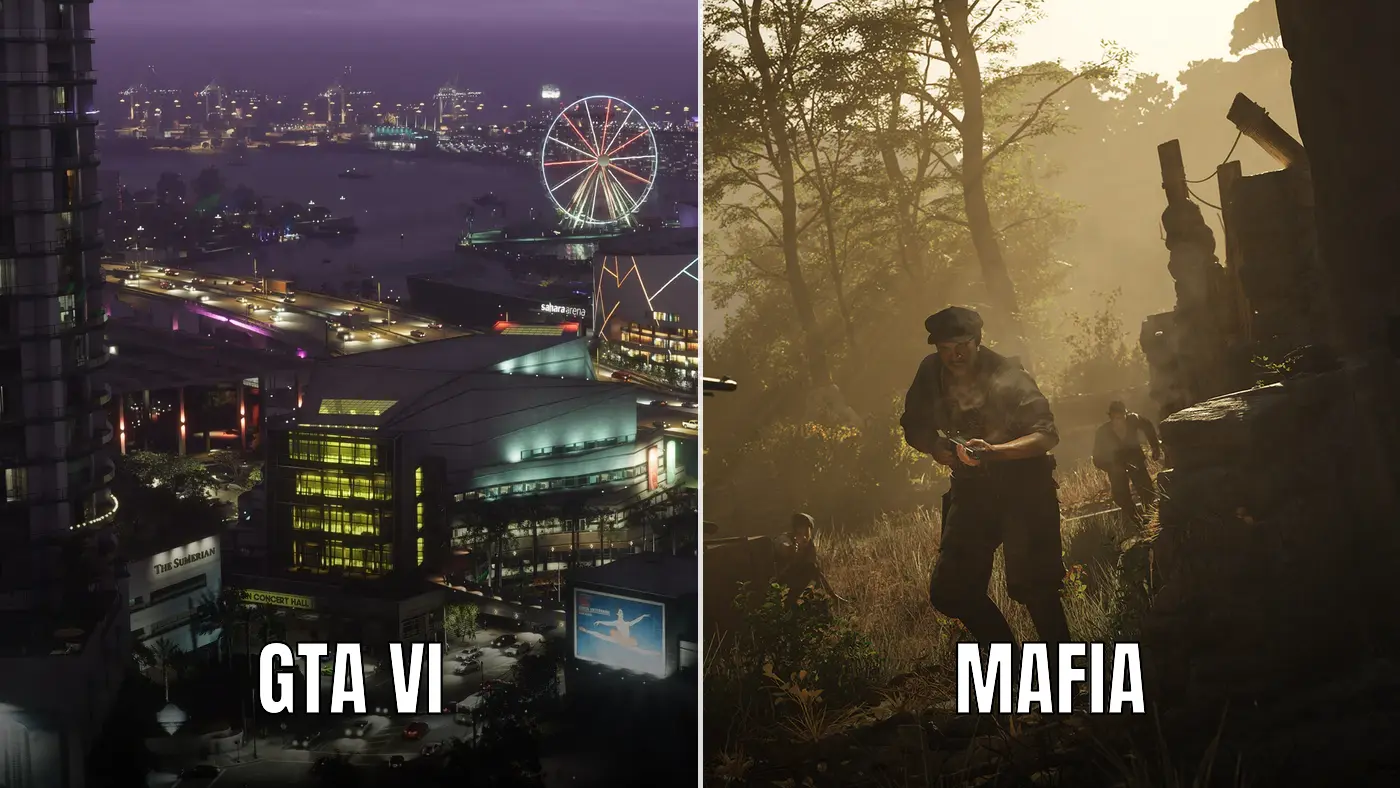
From Saints Row to Mafia, from Watch Dogs to Spider-Man, nearly every major open world today descends, directly or indirectly, from what GTA 3 codified in 2001. The gaming press regularly ranks it among the most influential games of the 21st century. Rockstar, for its part, has only refined the formula, entry after entry, all the way to the jaw-dropping simulation of Red Dead Redemption 2.
Where to (Re)play GTA 3 in 2026
You don’t need to dust off a PlayStation 2 to dive back into Liberty City. Since late 2021, GTA 3 has existed in a remastered version, Grand Theft Auto III: The Definitive Edition, with modernized textures, lighting and handling.
| Version | Release | Platforms |
|---|---|---|
| Original | October 22, 2001 | PlayStation 2, then PC (May 2002) and Xbox (October 2003). |
| Definitive Edition (consoles and PC) | November 11, 2021 | PS5, PS4, Xbox Series, Xbox One, Nintendo Switch and PC. Steam in January 2023. |
| Definitive Edition (mobile) | December 2023 | iOS and Android, with touch controls and controller support. |
Its late-2021 launch was a mess, but this Definitive Edition has since been heavily fixed through patches. To find out what it’s really worth, check out our review of the GTA Trilogy Definitive Edition. And if you want to (re)play the series in the right order, we ranked every GTA game in order.
From 2001’s Liberty City to GTA 6
Twenty-five years separate GTA 3 from Grand Theft Auto VI, due out on November 19, 2026, on PS5 and Xbox Series. The technical gulf between them is staggering: where Liberty City fit on a single PS2 DVD, the Leonida of GTA 6 promises a city-state of unprecedented density. But the DNA hasn’t budged an inch.
The open-world crime sandbox, the satire of America, the radio stations that capture an era, the freedom to do anything between missions: GTA 3 is what locked all of that in back in 2001. Replaying it today means going back to the source of a formula Rockstar has never stopped perfecting. To follow the countdown to the next chapter, keep an eye on our page dedicated to the GTA 6 release date. Claude never said a word, but his game still speaks to the entire industry.
Comments
Be the first to react.