
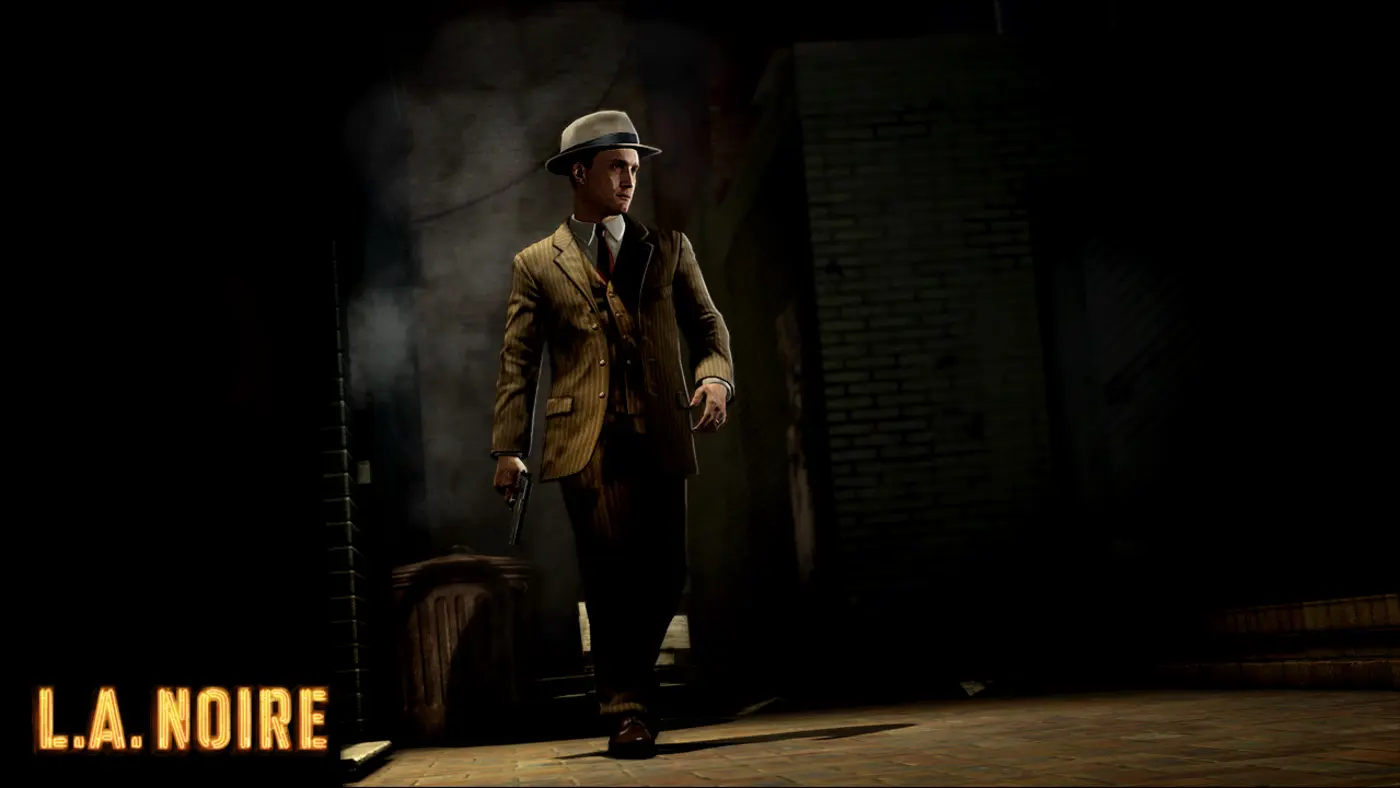
What if the best detective game Rockstar ever made wasn’t a GTA at all? Released on May 17, 2011, L.A. Noire puts you in the shoes of detective Cole Phelps, in a 1947 Los Angeles rebuilt street by street. A playable film noir, powered by facial-capture technology that still has no equal. And one that, fifteen years later, is back in the conversation.
A detective in 1947 Los Angeles
Forget the heists and car chases of Los Santos. Here, you investigate. Cole Phelps, a former Marine who came home haunted from the Pacific, climbs the LAPD ranks case after case, from the traffic desk to homicide, from vice to arson. Every case follows the same underlying loop: examine a crime scene, gather clues, cross-check testimonies, then grill the suspects.
Developed over nearly seven years by the Australian studio Team Bondi, under the direction of Brendan McNamara, and published by Rockstar Games, the game is an anomaly in the catalog. Where GTA and Red Dead run on the in-house RAGE engine, L.A. Noire is built on an engine of Team Bondi’s own. Its playground: a recreation of postwar Los Angeles, built from period surveys and photographs, which you roam freely between cases. The casting, meanwhile, borrows from television: Cole Phelps has the face and voice of Aaron Staton, known from the series Mad Men.
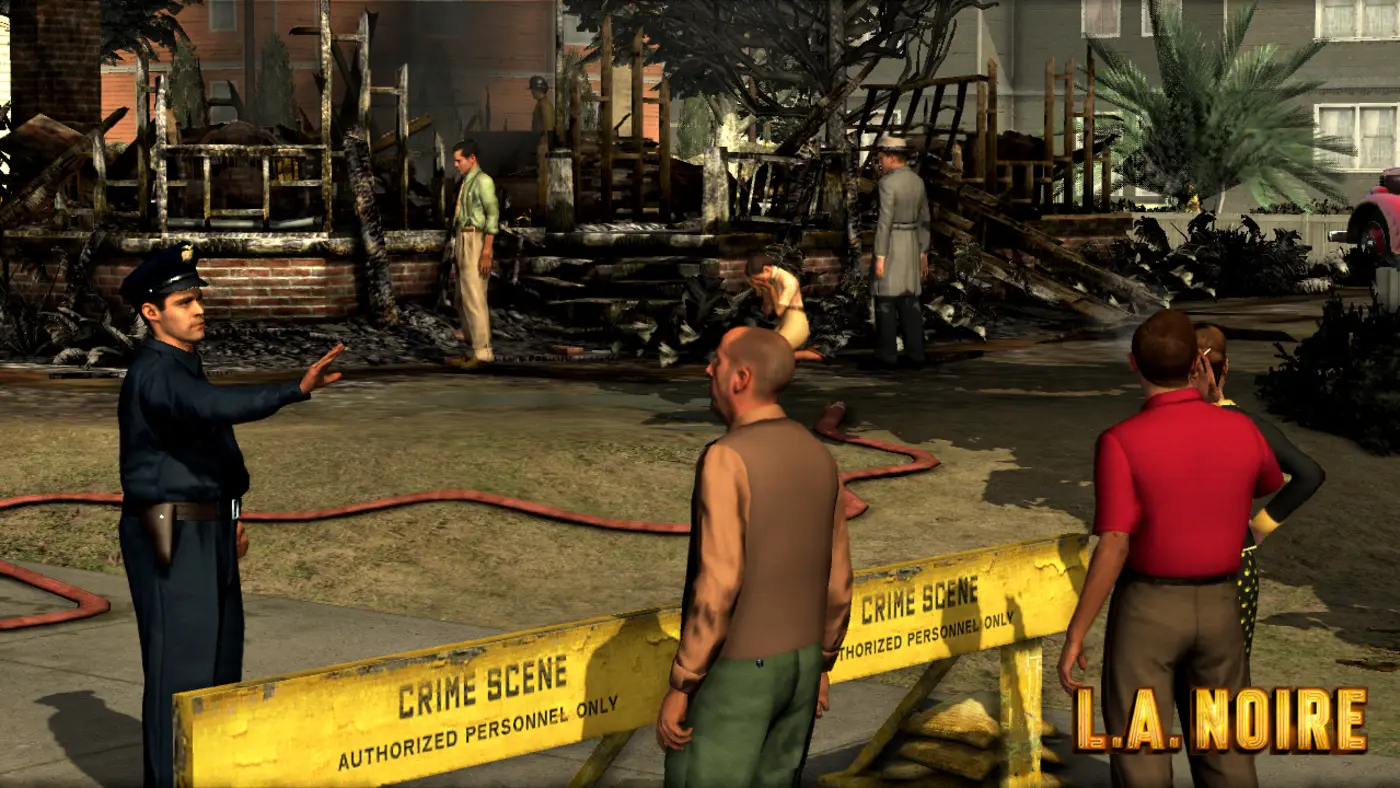
This obsession with real places isn’t unique to L.A. Noire: it’s a studio trademark, one you’ll find in the real-life cities behind Rockstar’s maps, from Vinewood to Vice City.
MotionScan, the technology that read faces
L.A. Noire’s stroke of genius comes down to one word: MotionScan. Developed by Depth Analysis, a sister company to Team Bondi, the technology filmed the actors’ entire faces under 32 simultaneous cameras, without the usual motion-capture markers. The result captured every micro-expression, every twitch, every shifty glance.
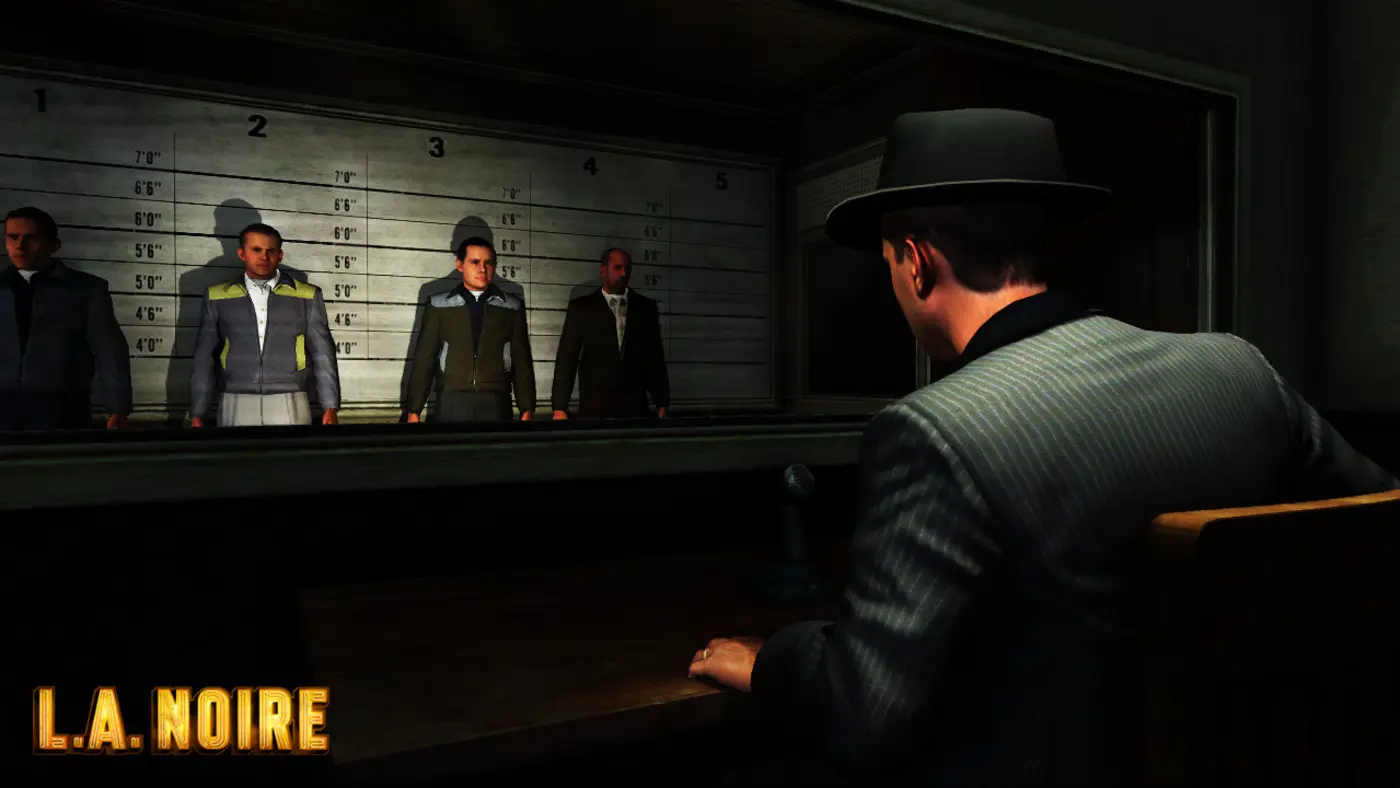
Why was it revolutionary? Because the gameplay rode on it. After a suspect’s statement, the game asked you to make a call: believe them (Truth), doubt them (Doubt) or accuse them of lying (Lie), with that last option requiring you to present hard evidence. Everything hinged on reading the face. A sideways look, a trembling lip, and you had your culprit. Fifteen years on, GamesRadar still sees it as the best series Rockstar never turned into a saga.
A critical hit that sank its studio
The press praised the gamble. Metacritic 89, acclaim for its atmosphere and writing, 4 million copies sold in the first month, and a total that would top 7 million across the re-releases. On paper, a clear win for Rockstar.
Behind the scenes, it was a wreck. Just months after release, Team Bondi went into administration and then liquidation in the fall of 2011. Former employees called out extreme working conditions, endless crunch, dozens of developers left off the final credits, and unpaid wages. The studio that had just delivered one of the most ambitious games of its generation didn’t survive its own production. Rockstar, for its part, distanced itself from the studio in the aftermath.
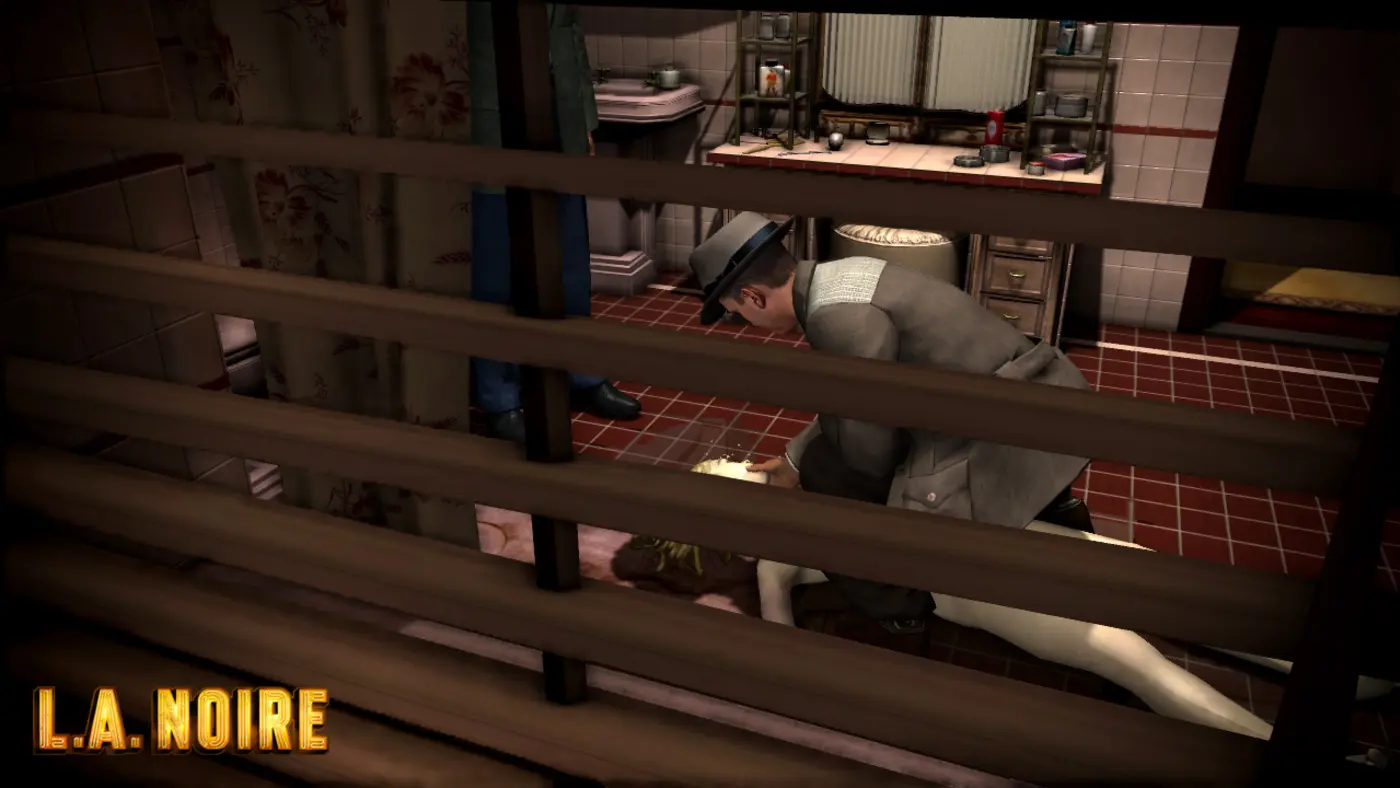
That tragic fate makes L.A. Noire a case apart, even in our ranking of the best Rockstar games that aren’t GTA, where it sits alongside Red Dead, Bully and Max Payne. An orphaned masterpiece, with no sequel, long left in limbo.
| Date | Milestone |
|---|---|
| 2004 | Development begins at Team Bondi in Sydney |
| May 17, 2011 | Released on PS3 and Xbox 360, published by Rockstar Games |
| Fall 2011 | Team Bondi placed into liquidation, despite 4 million sales |
| Nov. 14, 2017 | 4K remaster (PS4, Xbox One, Switch), plus L.A. Noire: The VR Case Files |
| March 3, 2025 | Rockstar acquires Video Games Deluxe, rebranded Rockstar Australia |
| April 28, 2026 | Zelnick (Take-Two) keeps hopes alive for a return of older franchises |
The big comeback: McNamara returns to Rockstar
This is where the story comes full circle. After Team Bondi’s collapse, Brendan McNamara founded a new studio in 2013, Video Games Deluxe, which worked closely with Rockstar: it delivered the 2017 re-releases of L.A. Noire and the VR version, then the GTA trilogy Definitive Edition updates. And on March 3, 2025, Rockstar took the plunge: it bought Video Games Deluxe and rebranded it Rockstar Australia. The creator of L.A. Noire is officially back in the house, fourteen years after watching his studio go under.
Is that a sign of a sequel to come? Asked about it in April 2026 at the iicon event in Las Vegas, Take-Two CEO Strauss Zelnick punted while leaving the door ajar: nothing to announce on L.A. Noire specifically, but the company is always thinking about its older franchises, provided it has a passionate team to take them on. With McNamara back on board, that team now exists.
The timeline, though, is clear: as long as Grand Theft Auto VI is set to launch on November 19, 2026, Rockstar is pouring everything into it. It’s the aftermath that’s playing out behind the scenes. Like the Max Payne remake handed to Remedy, L.A. Noire’s return is one of those old glories the studio is keeping in its back pocket. The 1947 detective thriller may have finally found its way to a second life.

Comments
Be the first to react.