
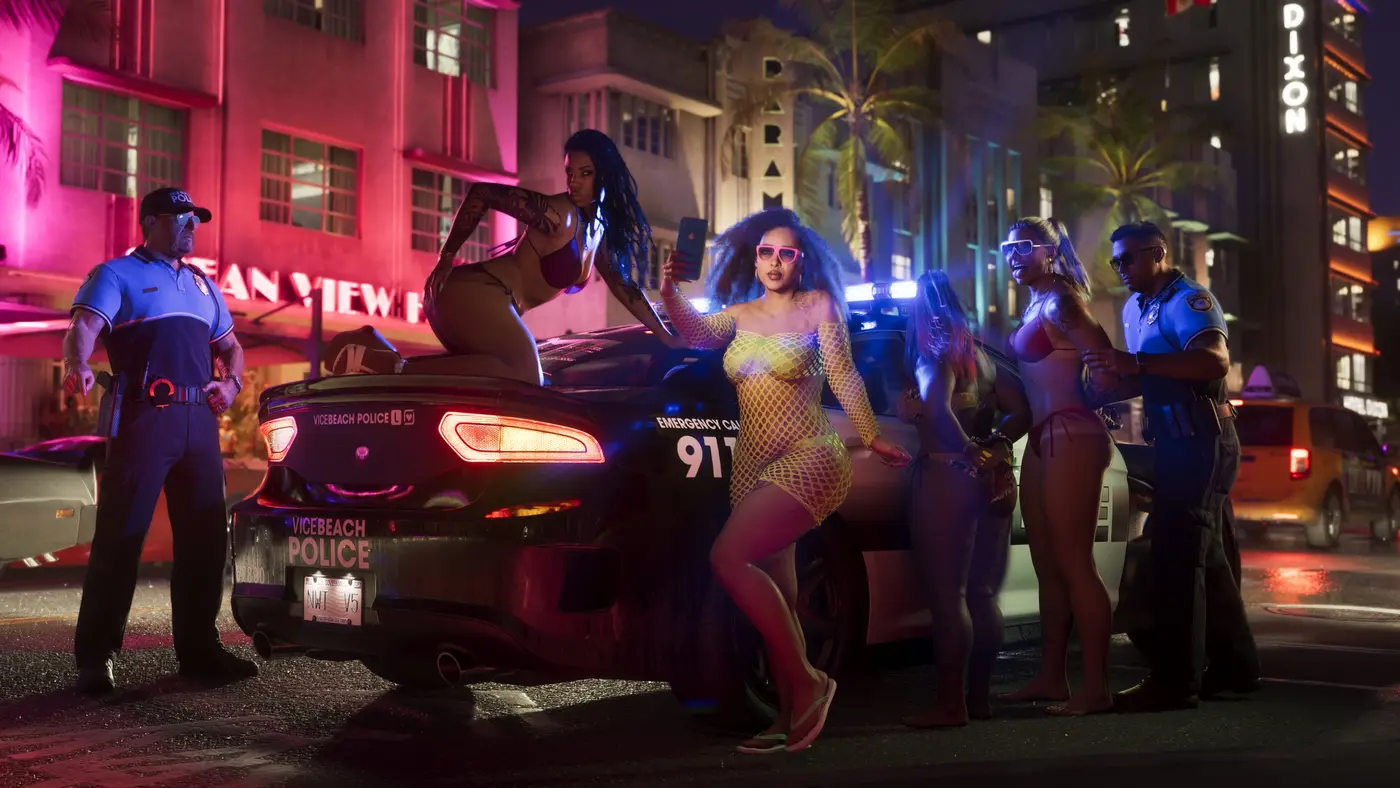
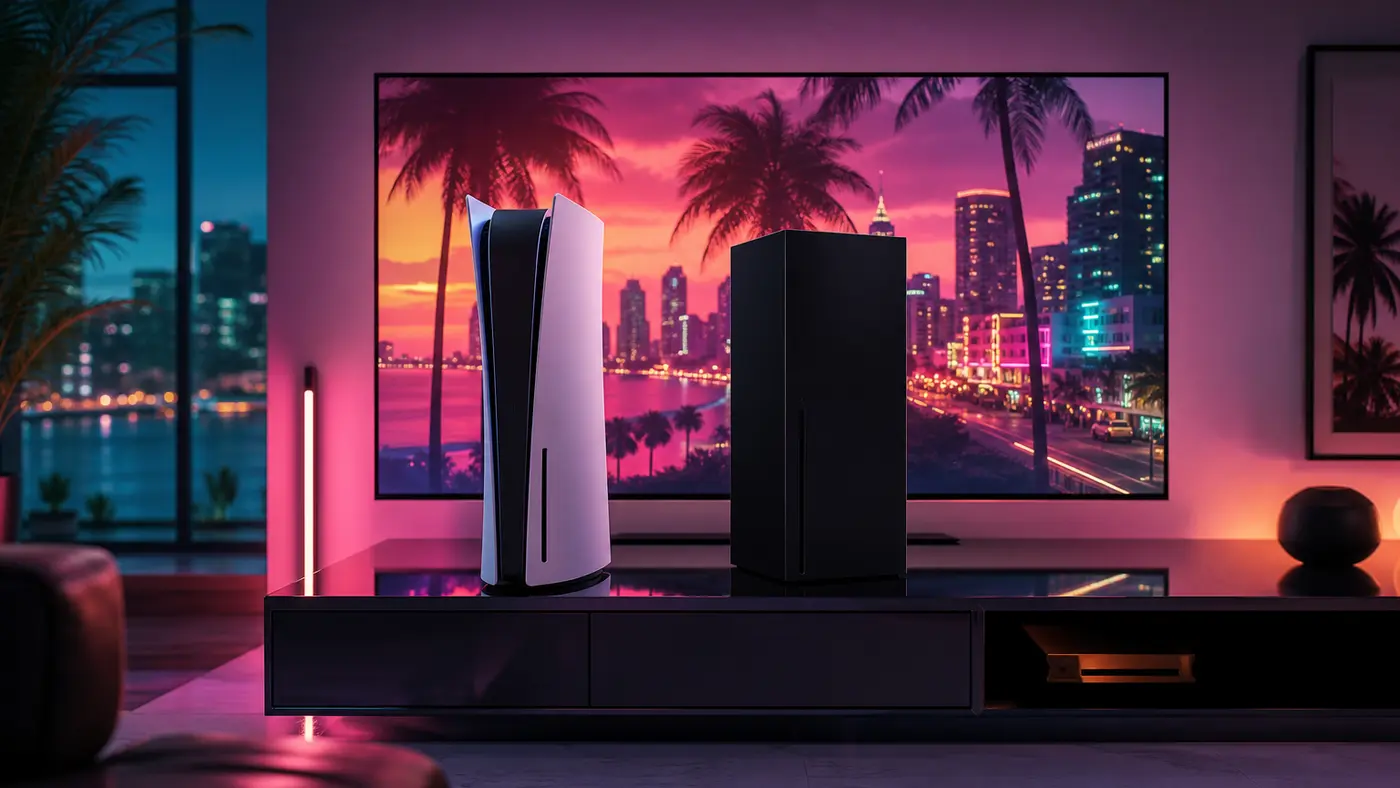
No, GTA 6 is not coming to PS4 or Xbox One. Rockstar is targeting the PS5 and Xbox Series X|S exclusively at launch, set for November 19, 2026. And that’s a first for the franchise: for the first time, a mainline GTA drops the previous generation right out of the gate. Here’s why, console by console.
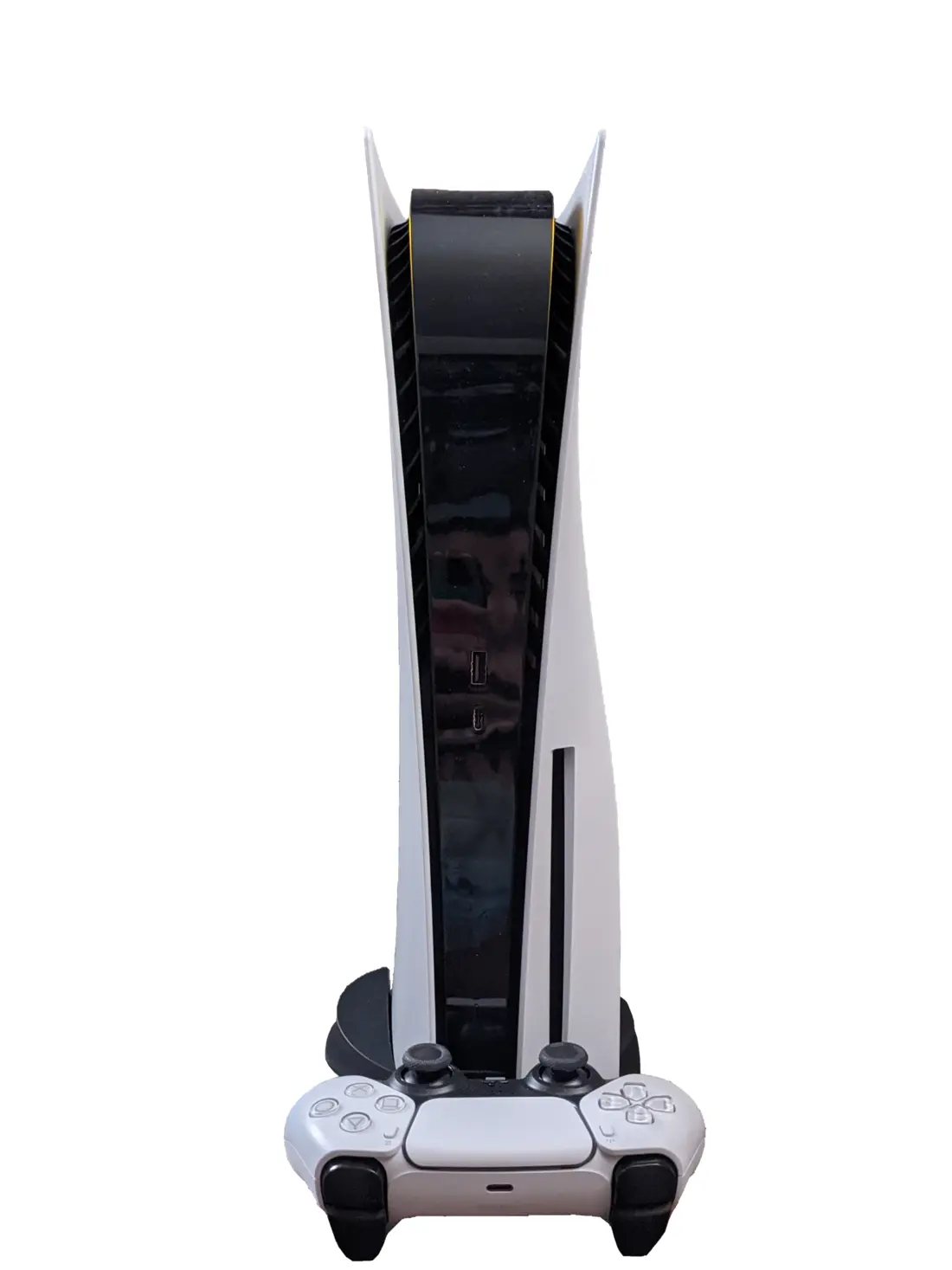
PS5 and Xbox Series X|S, full stop
Ever since the very first announcement back in December 2023, Rockstar hasn’t wavered: Grand Theft Auto VI is a PS5 and Xbox Series X|S game, period. The studio reaffirmed it in the press release that locked in the November 19, 2026 date. No mention of the PS4, the PS4 Pro, the Xbox One, or the One X, at any point in the communication cycle. Right from the reveal, the press noted that GTA 6 was flat-out skipping last-gen, something never seen before for a mainline entry.
This isn’t an oversight or an announcement still to come. When Rockstar lists two platforms and only two, that’s an architectural choice made years in advance. The standard PS5 is even enough for the demo: the studio confirmed that Trailer 2, released May 6, 2025, was captured in-engine on a base PS5, not a PS5 Pro or a souped-up PC. What you saw was the technical floor, not the ceiling.
Why last-gen can’t keep up
The bottleneck isn’t the raw power of the graphics processor, it’s storage. Rockstar’s in-house engine, RAGE, doesn’t load a zone in one chunk: it streams continuously, meaning it reads and unloads pieces of the world constantly as you move through Leonida. Open up a motorcycle on a Vice City highway and the engine has to push gigabytes of textures, models, and NPCs without a single visible load screen.
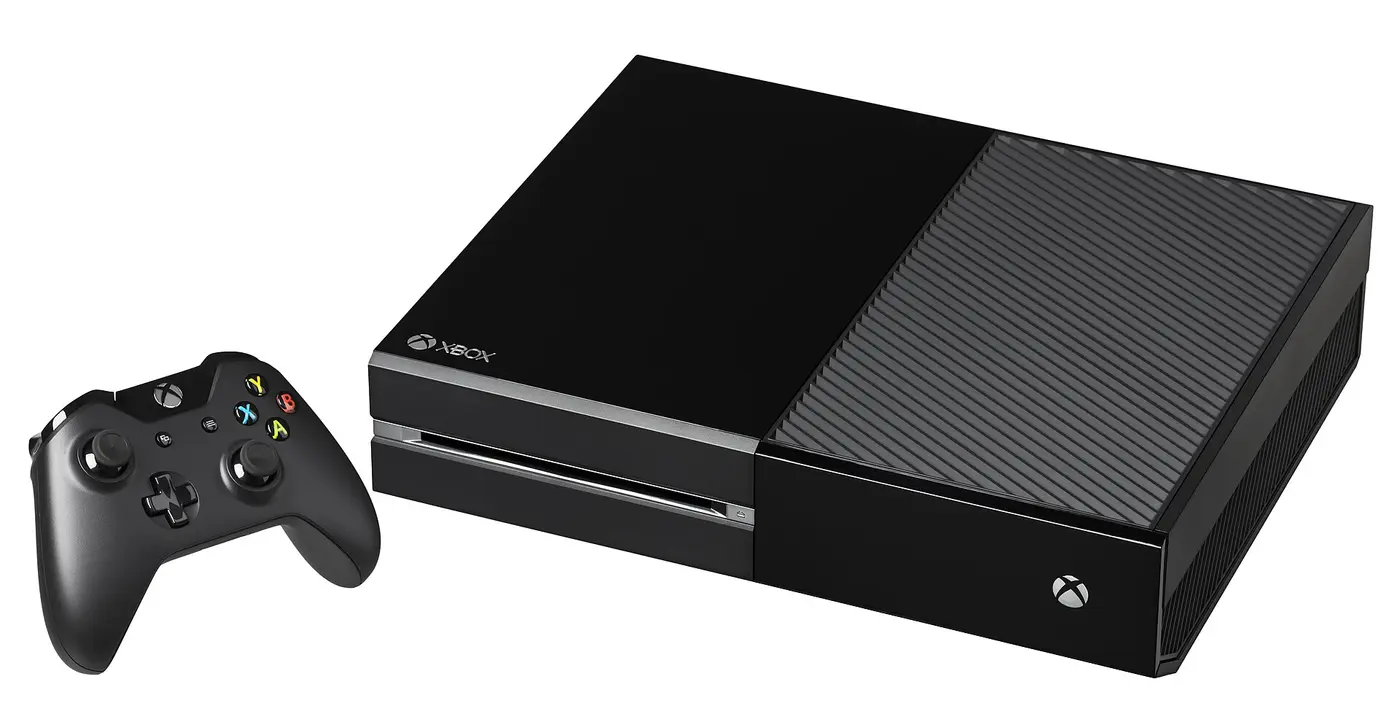
That’s exactly what a mechanical hard drive can’t do. The PS4 and Xbox One read around 50 to 100 MB per second off their hard drives; the NVMe SSDs in the PS5 and Series X|S climb to several gigabytes per second. Add memory to the mix: 8 GB shared on PS4 and Xbox One, versus 16 GB of fast unified memory on current consoles. For a world as dense as Leonida, that gap isn’t a luxury, it’s a condition for the game to exist at all.
| Console | Release | Memory | Storage | GTA 6 |
|---|---|---|---|---|
| PS5 / PS5 Pro | 2020 / 2024 | 16 GB GDDR6 | NVMe SSD | Yes |
| Xbox Series X | 2020 | 16 GB GDDR6 | NVMe SSD | Yes |
| Xbox Series S | 2020 | 10 GB | NVMe SSD | Yes, with compromises |
| PS4 / PS4 Pro | 2013 / 2016 | 8 GB GDDR5 | Hard drive | No |
| Xbox One / One X | 2013 / 2017 | 8 / 12 GB | Hard drive | No |
On top of that comes the visual layer. Digital Foundry’s analysis of Trailer 2 describes ray-traced global illumination (RTGI), an indirect light-diffusion technique that gives the game its strikingly believable look, from the neon of Ocean Drive to the reflections on wet asphalt. That kind of math leans on the hardware acceleration built into the current consoles’ RDNA 2 graphics. The PS4 and Xbox One generation simply doesn’t have the unit for it.
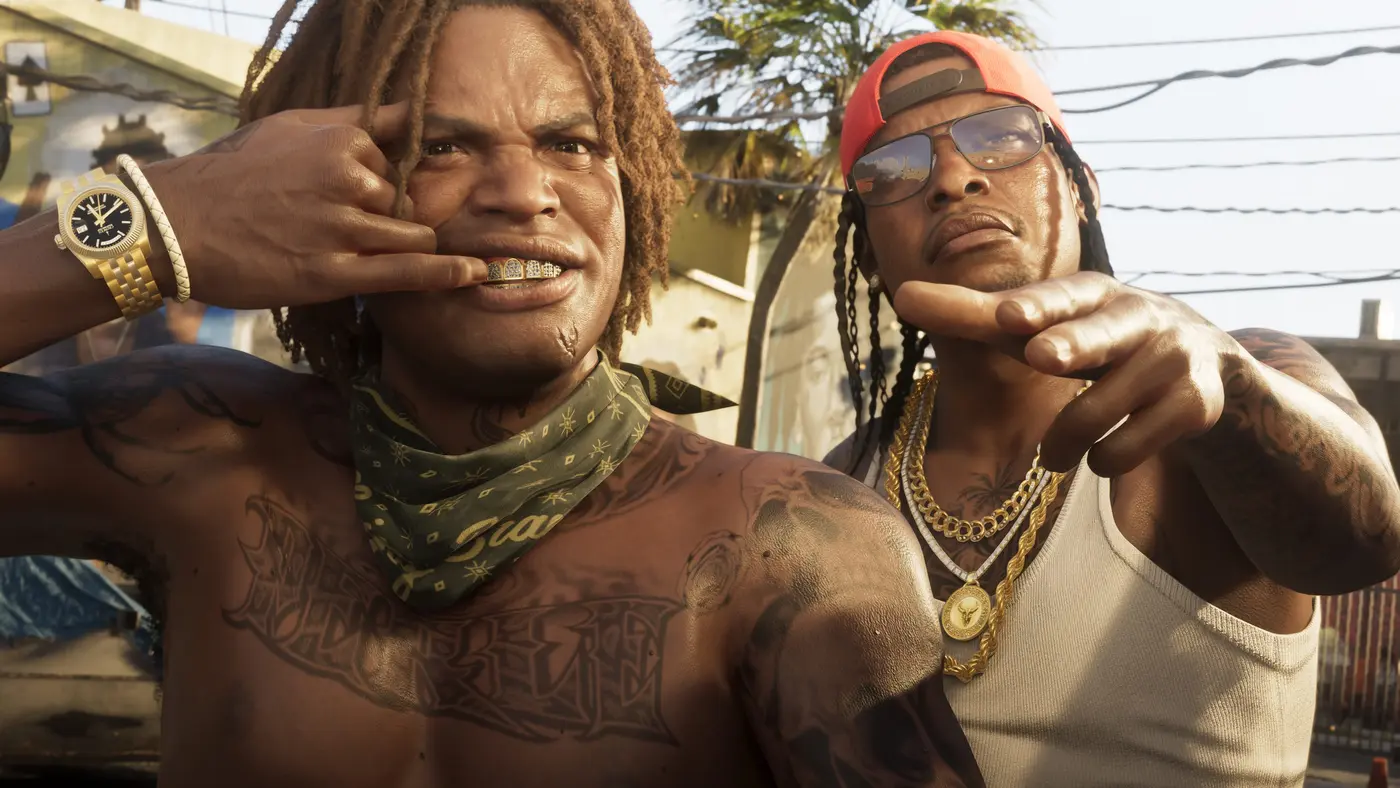
The most striking leap shows up on the faces. Digital Foundry flagged a generational jump in character rendering, especially the hair, which reacts to physics in a way Rockstar has never pulled off before. That fineness of materials, from skin to fabric to the reflections in a pair of glasses, demands memory bandwidth that last-gen doesn’t offer.
The Xbox Series S case, the real question mark
If any console is up for debate, it’s not the PS4, it’s the Xbox Series S. Microsoft requires every publisher to ship a Series S version whenever a Series X version exists, parity obliges. So GTA 6 will run on Series S. The question isn’t “whether,” it’s “at what cost.”
The Series S is clearly a step down: 10 GB of memory instead of 16, and a far more modest graphics processor. Digital Foundry anticipates a noticeably lower resolution, sometimes floated around 720p, along with reduced or even disabled ray tracing, in order to hold 30 frames per second. In practice, Series S players will probably see the same game, but with simplified reflections and lighting. That’s the whole challenge: fitting Leonida into a console designed for 1080p without breaking the game’s visual identity. Still, that balancing act is possible on Series S, and it isn’t on Xbox One, for lack of an SSD and memory.
A first in GTA history
The most telling thing is to compare with previous launches. GTA V came out September 17, 2013 on PS3 and Xbox 360, the generation of the day, before moving up to PS4 and Xbox One in November 2014, then PC in April 2015. It lived across three console generations. Red Dead Redemption 2, for its part, was the first Rockstar game built directly for the PS4 and Xbox One in 2018, with no release on the generation before it.
GTA 6 takes that logic one step further: it’s born exclusively on the current generation, with no bridge whatsoever back to the previous one at launch. That’s consistent with Rockstar’s promise to deliver the most ambitious technical leap in the series, and it also explains why the studio gave itself so much runway before release. We dig into that timeline in detail in our feature on the GTA 6 release date and on the delay until the game is content-complete.
So what about PC?
PC is in the same boat as last-gen on one point: it’s not on the launch list. But for a different reason. Rockstar has a habit of releasing its games on console first, then on PC anywhere from a few months to a year and a half later. GTA V waited 18 months, Red Dead Redemption 2 about 13 months. The PC version of GTA 6 is coming, then, but afterward. We break down the most credible window and the expected specs in our full analysis of GTA 6 on PC. For the technical comparison with the studio’s previous big open world, see GTA 6 versus Red Dead Redemption 2.
Bottom line: if you’re still on a PS4 or Xbox One, GTA 6 will be one more reason to move up to the current generation. This isn’t a gratuitous sales strategy, it’s the direct consequence of a game that was designed, from day one, for today’s hardware.
We’re keeping a close eye on this for you. Alfred, GTA Zone.
Comments
Be the first to react.