

Let’s get the answer out of the way first: GTA 6’s Story Mode won’t have microtransactions, and the studio hasn’t announced a single Shark Card. But that’s not really the story. The story is the future GTA Online tied to the game, where real money has every reason to come roaring back. Here’s what we actually know, with the numbers to back it up, and what’s still guesswork.
No microtransactions in GTA 6’s Story Mode
Let’s start with the good news, the kind that reassures single-player fans. Jason and Lucia’s campaign will be a traditional buy-it-once game, with no real-money store. That’s not an empty promise: it’s been Rockstar’s approach all along. Neither GTA V’s 2013 campaign nor Red Dead Redemption 2’s in 2018 ever sold a single piece of content piecemeal. You pay full price for the single-player game once, and that’s it.
The official framing points the same way. In the run-up to November 19, 2026, Rockstar consistently describes GTA 6 as a “single-player experience,” never once mentioning an online mode available at launch. That wording, flagged by both Insider Gaming and PC Gamer, actually raised eyebrows: it suggests the multiplayer side will arrive later. The upshot is straightforward. As long as there’s no online mode, there’s no live-service economy, and therefore no microtransactions. The whole debate shifts to what comes after.
The real battleground is GTA 6’s future GTA Online
No one seriously believes Rockstar will walk away from an online mode. Court documents tied to a lawsuit involving the studio, reported by Kotaku, already point to a GTA 6 multiplayer tested in 32-player sessions. The pattern mirrors 2013: GTA Online launched two weeks after GTA V, and the first Shark Cards followed right behind, in October 2013. Twelve years later, they’re still here.
So it’s in this future GTA Online, undated as of now, that the monetization question will really come up. And there, recent history leaves no ambiguity: everywhere Rockstar has built an online service, it has anchored it to a virtual currency you can buy with real money.
Why Take-Two will never let go of microtransactions
To understand the stubbornness, you have to read a balance sheet rather than a marketing press release. For its fiscal year ending March 31, 2026, Take-Two reported $6.66 billion in GAAP net revenue, up 18%. Of that total, recurrent consumer spending, meaning the recurring money players spend after the initial purchase, accounted for 78%. So nearly four dollars in five the publisher takes in don’t come from selling a game, but from what players spend inside it once they’re settled in.
GTA Online is the centerpiece of that engine. According to Game Rant, its Shark Cards alone reportedly bring the publisher several hundred million dollars a year. As The Street puts it, GTA 6’s real jackpot for Take-Two isn’t the $79.99 game sale, however massive, but the tap of recurring spending it will reopen for a decade. Walking away from Shark Cards, in that context, would mean voluntarily unplugging the most profitable revenue source in the video game industry.
Shark Cards: how they work, and a price refresher
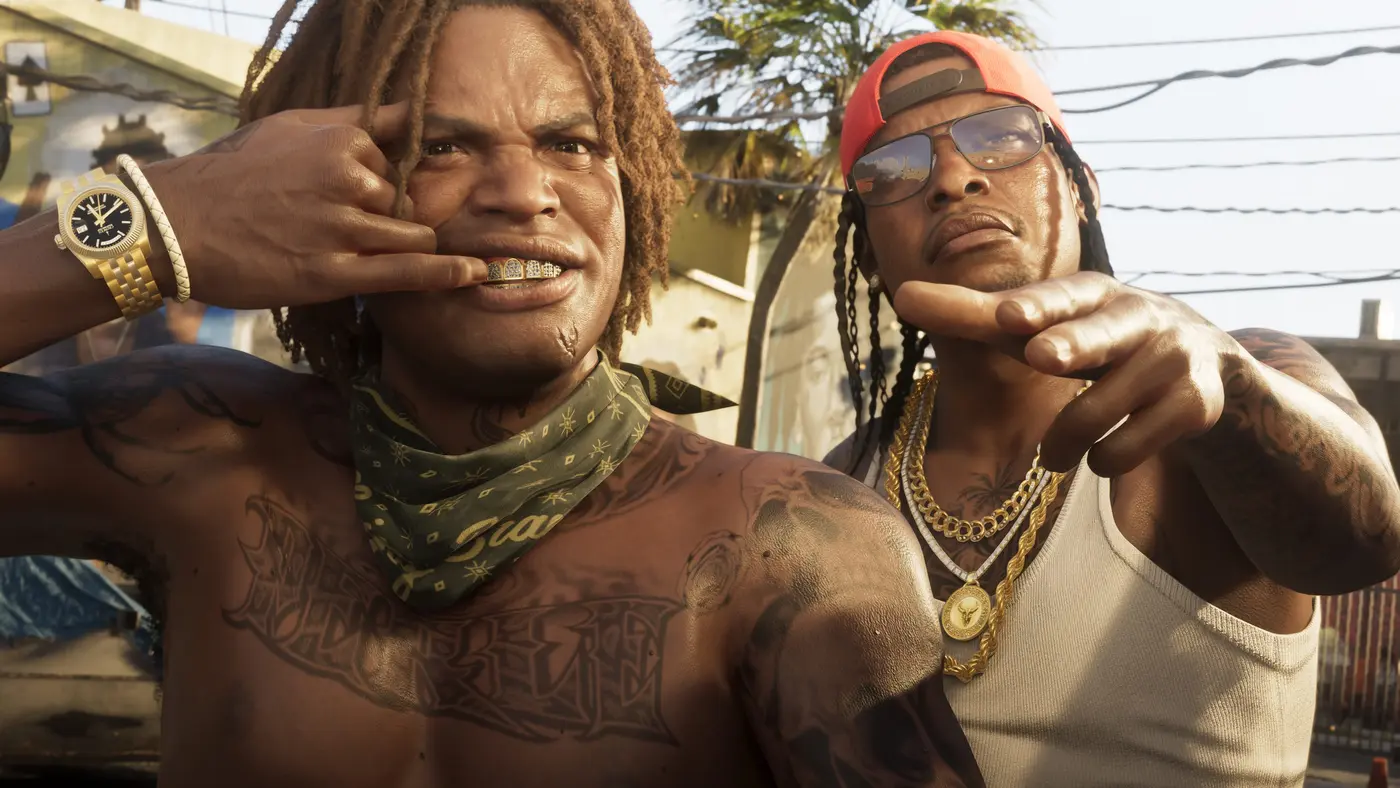
A Shark Card, or Shark Cash Card, is a pack that converts real money into GTA$ deposited in your Maze Bank account. It’s optional on paper: the entire economy is designed so that you can grind instead. As of July 2026, five cards are active in GTA V, with amounts cross-checked against the Rockstar Store and the GTA Wiki by LFCarry’s guide.
| Shark Card | Real price | GTA$ received |
|---|---|---|
| Tiger Shark | $4.99 | 250,000 |
| Bull Shark | $9.99 | 600,000 |
| Great White Shark | $19.99 | 1,500,000 |
| Whale Shark | $49.99 | 4,250,000 |
| Megalodon Shark | $99.99 | 10,000,000 |
Two details give away the pricing engineering. First, the bigger the card, the better the exchange rate: the Megalodon offers roughly double the GTA$ per dollar of the Tiger, a classic nudge toward the bigger basket. Second, the small Red card, at 100,000 GTA$ for $2.99, was flat-out pulled on December 6, 2022, the day Rockstar raised the value of every card by roughly 20%. In other words, the cheapest entry point vanished right when the studio was adjusting its lineup upward.
Nerfed payouts and the specter of pay-to-win
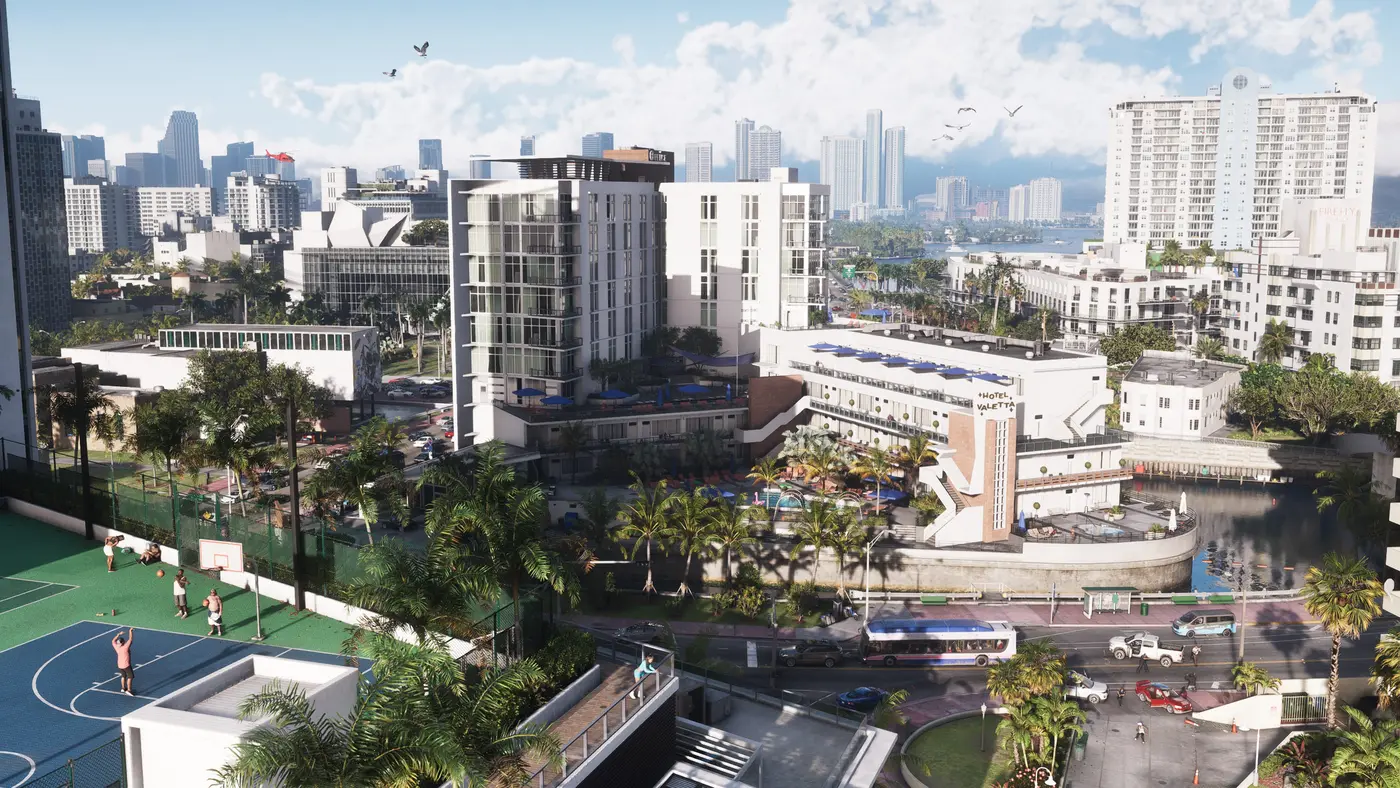
Players’ fears don’t come from nowhere. GTA Online’s economy has always been tuned as a long grind, which makes the credit card that much more tempting. The latest updates have reignited the debate: recent big heists, from the Diamond Casino to the Kortz Center, have seen their payouts shaved week after week, while vehicle and property prices never drop. Every supercar, every garage, every customization becomes one more reason to pull out the Megalodon rather than grind mission after mission.
That’s the whole issue behind the term “pay-to-win” that comes up in every discussion. In a single-player game, it means nothing. In a competitive online mode where money buys firepower, mobility, and income-generating properties, it means a lot. So the real question for GTA 6’s GTA Online won’t be “will there be microtransactions,” but “how far will the balance tip toward your wallet rather than your playtime.” A subscription like GTA+, which already drops a monthly GTA$ allowance into GTA Online, offers a preview of the layered model Rockstar could stack up.
What Rockstar hasn’t promised, and the free-to-play trap
One point is worth hammering home, because fake pricing charts are already circulating: to date, no pricing, no currency, and no Shark Card for GTA 6 has been announced. The prices you come across are extrapolations from GTA V. Rockstar tends to reveal everything late, and both the cast and the live-service mechanics remain under wraps.
That leaves the most interesting gray area. Take-Two CEO Strauss Zelnick did say he finds it “unfair” to insert intrusive advertising into a $70 or $80 game, but that red line was aimed at advertising, not microtransactions, and he explicitly limited it to premium games. If GTA 6’s future GTA Online ever adopted a free model, as part of the industry has done, the unfairness argument would collapse on its own and open the door to far more aggressive monetization. That’s the real signal to watch for after November 19, when Grand Theft Auto VI has shifted from selling a game to running a service.
Bottom line, rest easy about Jason and Lucia’s campaign: it’ll be a game, not a store. As for the rest, keep an eye on your bank card the day Rockstar switches GTA Online back on.
Also worth a read: our take on the future of GTA Online after GTA VI, our breakdown of in-game advertising, our refresher on the GTA 6 price and, if you’d rather grind than pay, our guide to GTA Online’s best heists. The release date is still set for November 19, 2026.


Comments
Be the first to react.